In this article
Paint over an exposed beam or seal a solid wall with the wrong emulsion, and you can trap centuries-old fabric under a film it cannot breathe through. On a listed property that is not just a cosmetic mistake: unauthorised work can be a criminal offence, and the damp damage it causes is often slow, expensive and hard to reverse.
Surrey has thousands of listed homes, from Georgian townhouses in Guildford to timber-framed cottages around Mole Valley and Epsom. This guide covers what you need to know before you lift a brush: when Listed Building Consent applies, which paints suit historic fabric, and the errors that catch owners out most often.
Understanding listed building status
The Planning (Listed Buildings and Conservation Areas) Act 1990 protects buildings of special architectural or historic interest. There are three grades:
- Grade I — buildings of exceptional interest (a small minority of listings)
- Grade II* — particularly important buildings of more than special interest
- Grade II — buildings of special interest, by far the most common grade
Most listed Surrey homes are Grade II. The grade does not change your obligations much: the protection covers the whole building, inside and out, and often extends to attached structures and anything within the curtilage, such as boundary walls or an old outbuilding.
When you need Listed Building Consent
Listed Building Consent (LBC) is a separate approval from planning permission. You need it for any work that affects the building's special character, and that can include decorating, not just structural changes.
You are likely to need consent for:
- Removing, replacing or altering original cornices, panelling, fireplaces or staircases
- Painting over exposed timber beams, stonework or brickwork that has always been bare
- Changing the colour of windows or external joinery, especially on a principal elevation
- Stripping historic paint layers or removing original wallpaper that forms part of the interest
Carrying out unauthorised works to a listed building is a criminal offence, and the penalties can include an unlimited fine. The safest rule is simple: if in doubt, ask your local authority before you start.
Routine, like-for-like redecoration in areas of no special interest, such as repainting a modern kitchen extension in the same colour, often does not need consent. But "often" is not "always", and only your conservation team can confirm it for your property.
Choosing the right paint for historic fabric
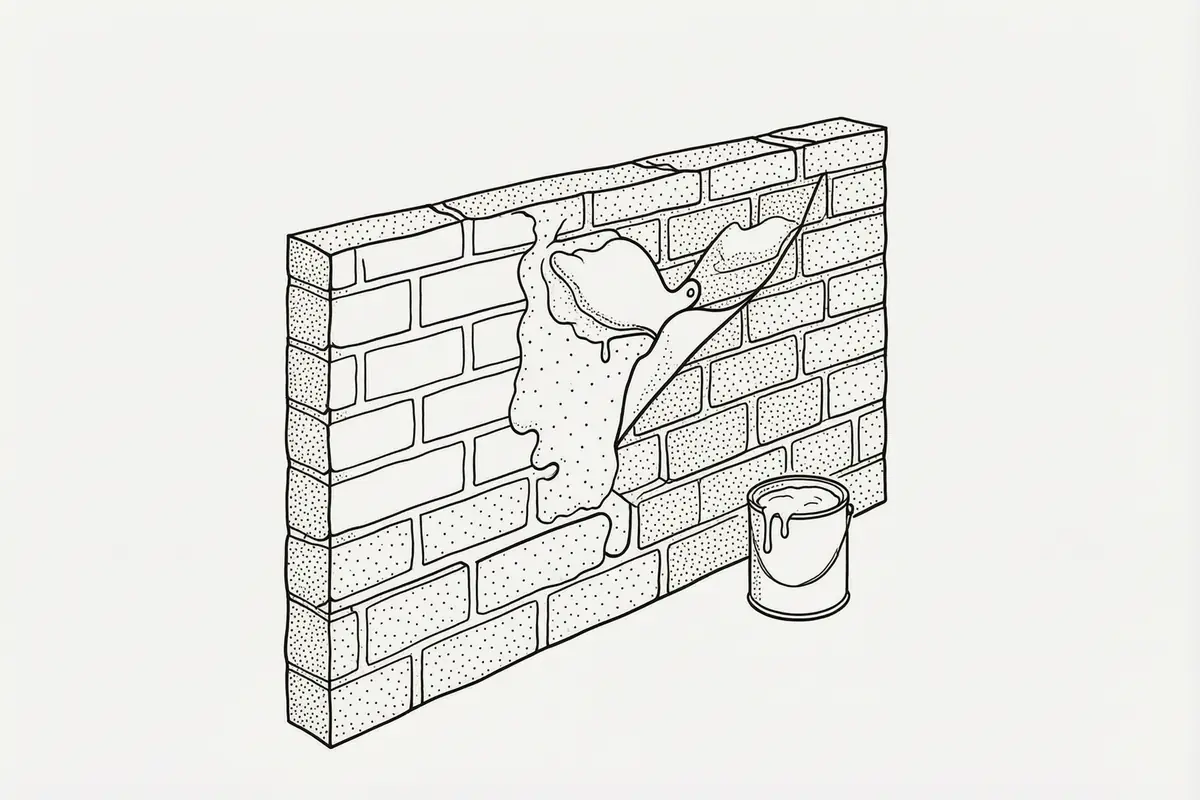
The single biggest cause of damage on older buildings is the wrong paint on a breathable wall. Standard vinyl emulsions and acrylics form a film that stops moisture escaping from solid masonry. Most pre-1920s walls have no cavity and rely on drying out through their surface; seal it and the moisture has nowhere to go. The result is damp pushing through internally with white salt efflorescence, rot in window frames and embedded timbers, and blown plaster or spalling brick where trapped water freezes and breaks the face off.
Surrey's wet winters make this worse, so breathability matters more here than in drier regions. The fix is to match the coating to the surface:
| Surface | Suitable finish | Why |
| Lime plaster walls | Limewash, claypaint or breathable mineral paint | Lets moisture vapour pass through the wall |
| Exposed timber beams | Breathable natural-oil finish or microporous stain | Keeps the character; will not seal moisture in |
| Original sash windows | Microporous exterior systems (or linseed oil paint) | Flexes as the timber moves and lets it dry |
| Interior stone or bare brick | Limewash or mineral paint | Compatible with the original fabric |
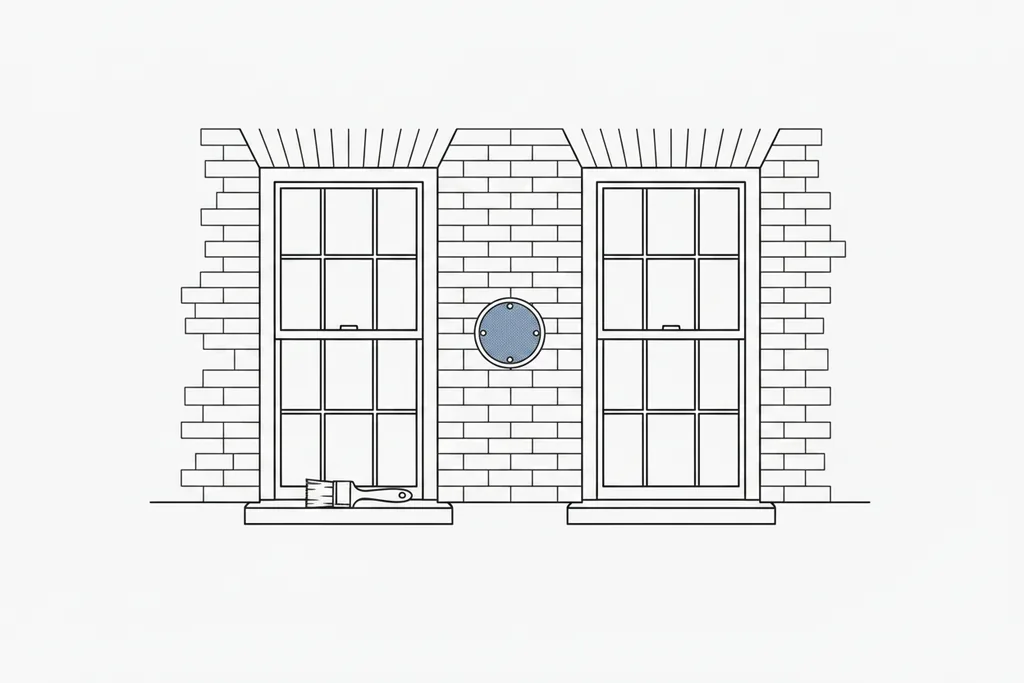
Sash windows are a specialism in their own right; our guide to painting wooden windows in period homes and our notes on sash window restoration and painting in Surrey cover the prep, draught-proofing and finishes in detail.
Working with your conservation officer
Before any work that might need consent, contact your local council's conservation team. Surrey is split across several authorities — Guildford, Woking, Mole Valley, Elmbridge and others — and each takes its own line, so advice from one borough will not necessarily apply across the county. Early contact tends to make the rest of the project smoother. The officer may ask for sample patches of your proposed colours, request a short Statement of Significance explaining what makes the building important, or suggest a gentler approach that preserves more of the original fabric.
Under national planning policy, authorities must give great weight to conserving heritage assets, so the officer's view carries real influence over what gets approved. Treat them as a guide rather than a hurdle. The same principles apply more widely: our guide to painting in Surrey conservation areas covers homes that are not individually listed but still sit under design controls.
Common decorating mistakes in listed homes
1. Painting over original features
Exposed brick, timber beams and decorative plaster are often the very things that earned the listing. Painting them is usually irreversible: stripping the coating later risks taking the surface with it, so the character is lost for good. Leave original features bare unless a conservation officer agrees otherwise.
2. Using non-breathable sealants and fillers
Silicone and standard acrylic sealants around windows and skirtings trap moisture in solid walls, the same way the wrong paint does. Use lime-based or breathable filler and sealant systems instead, and avoid cement-based repairs against soft historic brick.
3. Decorating over unresolved damp
Painting over a damp wall without fixing the source guarantees the finish will fail, and on historic fabric it can accelerate decay. Our guide on how to spot and treat damp before you repaint walks through diagnosing the cause before you reach for a brush.
4. Choosing colours out of period
Colour is personal, but conservation officers will often resist bright, modern shades on a Georgian or Victorian elevation. Heritage paint ranges and traditional palettes usually sit far more comfortably, and they are an easier sell when consent is required.
When to bring in a specialist decorator
A small touch-up in a non-significant area is well within reach of a careful owner. A full repaint of a listed property, or any work near original features, is where experience earns its keep. As interior painters and exterior decorators working across Surrey, we:
- Liaise with conservation officers and help prepare documentation for LBC applications
- Specify breathable, heritage-appropriate materials matched to each surface
- Use traditional techniques where they matter, such as hand-brushing sash windows rather than spraying
- Carry out careful preparation that protects original plaster, joinery and brickwork
The same care applies to historic wall coverings. If your project involves period paper rather than paint, our guides to wallpapering a Grade II listed property and period property wallpaper restoration in Surrey are a useful next read.
Energy efficiency and listed buildings
Balancing a draughty old house against modern energy bills is one of the harder parts of listed ownership. Building Regulations Part L allows listed buildings flexibility where compliance would unacceptably alter their character, but there is still plenty you can do sympathetically.
Approaches that usually work well:
- Secondary glazing, which retains the original windows while cutting heat loss and noise
- Heavy lined curtains and draught-proofing to reduce losses cheaply and reversibly
- Breathable insulating plasters on suitable internal walls, and loft insulation where the loft is not of historic interest
Approaches to avoid on solid-wall properties:
- Cavity wall insulation, which has no cavity to fill and can trap moisture
- Non-breathable "thermal" paints, which rarely deliver as claimed — see our look at whether thermal paint can reduce heating bills in Surrey
- Sealing every air path, which simply shifts the problem to condensation and mould
A quick checklist before you start
- Confirm whether Listed Building Consent is required, and speak to your conservation officer early
- Choose breathable, period-appropriate materials for each surface, and test colours on discreet patches first
- Trace and fix any underlying damp before you decorate, and keep a record of what you used for the next owner
Done properly, decorating a listed building is not about working around the rules. It is about protecting the fabric while making the place comfortable to live in. If you would like a hand with a listed or period property in Surrey, we are happy to talk it through and give you a free, no-pressure quote.