
 mainwp
25 Feb
mainwp
25 Feb
Paint Finishes for Bathrooms & Kitchens in Surrey Homes
Renovating bathrooms and kitchens in Surrey homes from past decades stands as the most arduous interior design project because these structures lack effective ventilation systems and their deep walls sustain elevated moisture levels.
Paint finishes which fail to withstand high humidity environments deteriorate quickly causing paint failure alongside mold development thus requiring costly painting repairs in a brief timespan.
Surrey Painters supports multiple homeowners by recommending suitable finishes which both enhance visual appeal and withstand contact with steam and water and condensation. The guide presents readers with information about effective paint types and cleaning techniques and UK regulations for using moisture-resistant coatings to protect kitchen and bathroom areas throughout many seasons.
Why Humidity Wreaks Havoc on Standard Paint
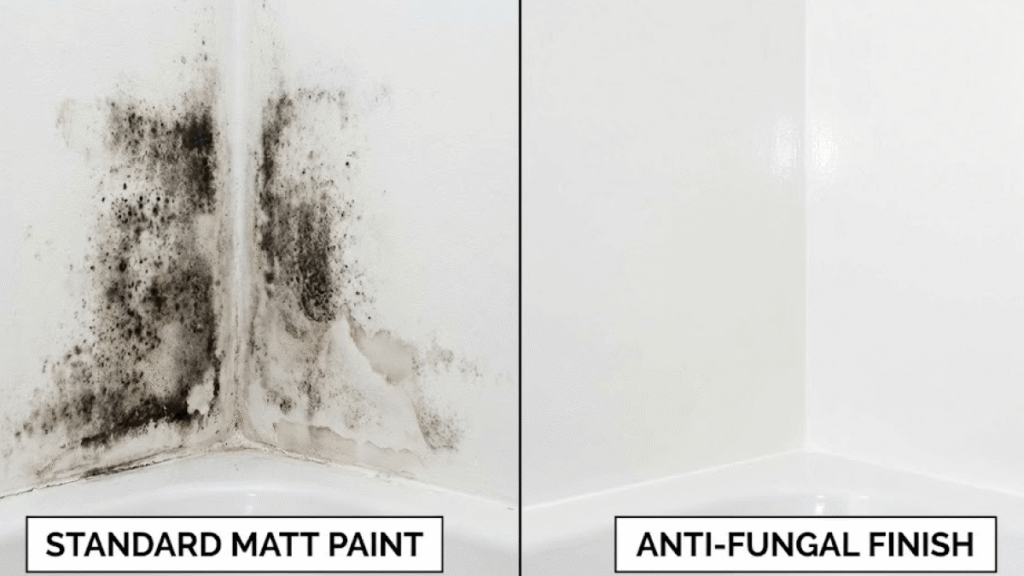
Everyday UK homes produce approximately ten liters of water vapor through their daily activities including showering and kettle boiling and dish washing. The absence of proper ventilation systems enables moisture buildup on walls and ceilings especially in north-facing rooms which lack the traditional ventilation features of Victorian and Edwardian homes throughout Surrey.
The presence of standard matt emulsion paints does not protect surfaces effectively in areas with high humidity. Water absorption by the surface causes expansion and glue breakdown which enables black mould growth (Aspergillus niger) that poses health risks to children and individuals with breathing difficulties.
The NHS reports that long-term exposure to damp conditions with mould in the home leads to worsened asthma symptoms as well as increased respiratory infections for affected individuals.
The Best Paint Finishes for Bathrooms and Kitchens
The performance level of paint products designed for kitchen and bathroom areas varies greatly across the available options. Focus on product performance instead of marketing claims when selecting the best product:
1. Mould-Resistant Matt or Soft Sheen
- The product works best for ceiling surfaces and main wall areas.
- The product contains biocides which prevent fungal development while the soft sheen finish provides gentle cleaning abilities without creating any shine.
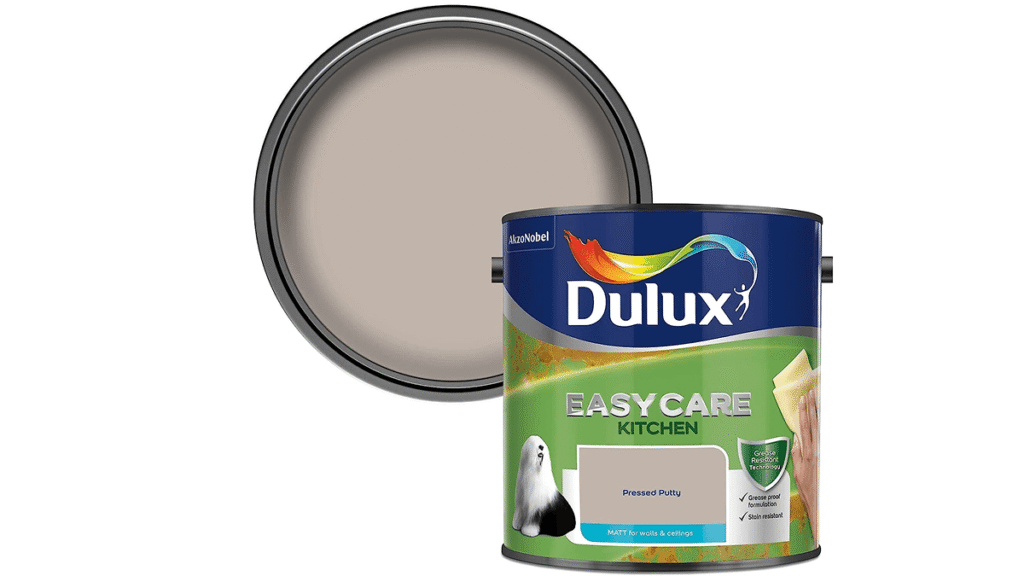
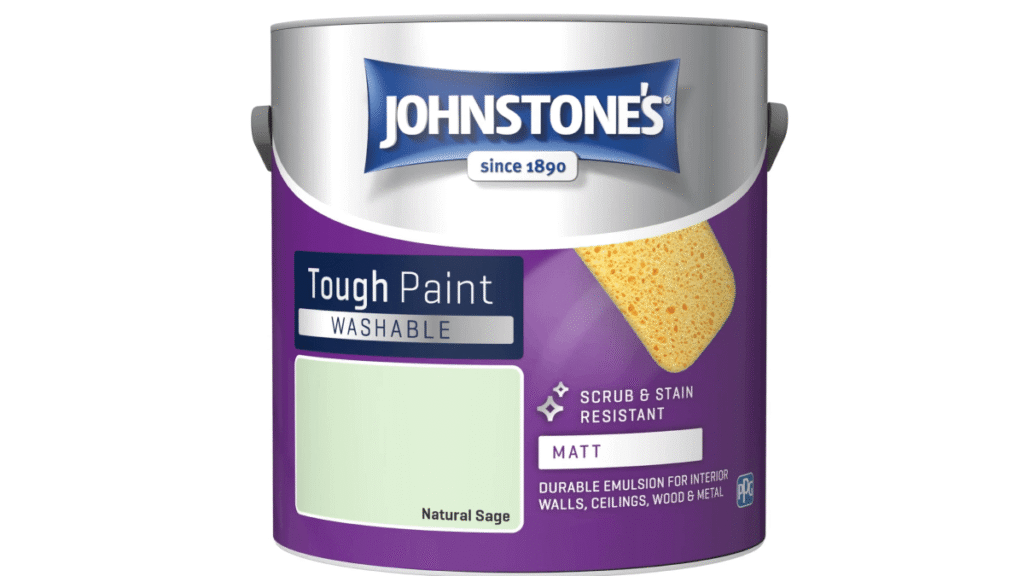
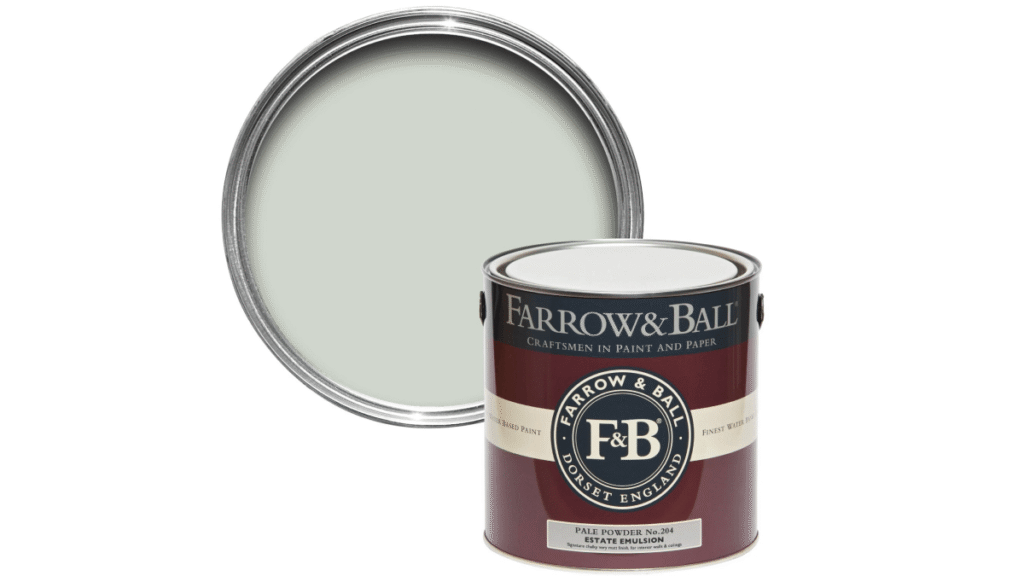
- The best options include Dulux Easycare Kitchen and Bathroom, Johnstone’s Washable & Tough and Farrow & Ball Modern Emulsion which includes an anti-mould additive.
According to the Volatile Organic Compounds in Paints Regulations 2019, the products must meet UK VOC standards which state that paints cannot exceed 30 grams per liter.
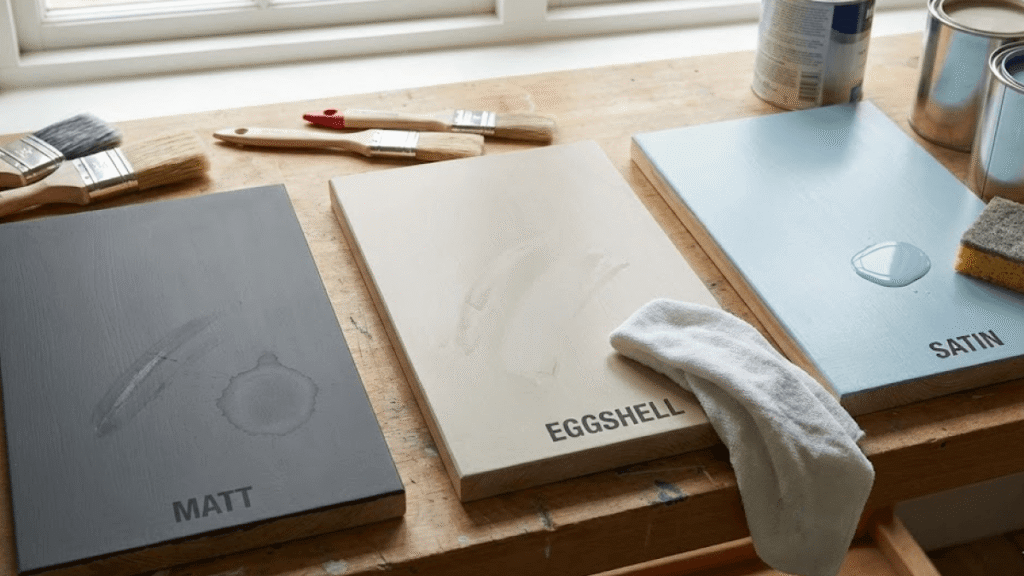
2. Eggshell or Satin Finishes
- The product works best for Splash zones which include areas behind sinks and hobs and baths.
- Why: More durable than matt, easily wiped clean, and resistant to staining
- Note: Use water-based formulas to minimise odours and drying time
Avoid traditional oil-based gloss-it yellows over time and emits high VOCs.
3. Acrylic-Based Tile Alternatives
Acrylic eggshell paint serves as an alternative to tiles for decorators who want to create feature walls or achieve cost-effective transformations. The product protects surfaces better than regular emulsion paint but it does not provide complete waterproof protection when you seal it correctly.
Pro Insight: Never use interior masonry paint for exterior walls because it lacks indoor air quality and fire safety standards.
Critical Surface Preparation Steps
Even the best paint will fail on poorly prepared surfaces. Follow these steps:
1. Clean Thoroughly
Use sugar soap or fungicidal cleaner to wash walls because these products eliminate kitchen grease and bathroom soap residue with mould growth. Rinse and let dry completely-usually 24–48 hours.
2. Treat Existing Mould
You need to apply a specialised mould killer such as Polycell Mould Killer which should stay on the surface until it penetrates fully. The spores will grow through the fresh paint layer when you paint over mould without taking proper measures.
3. Prime Problem Areas
You should use a stain-blocking primer to protect water-damaged areas and spots which tend to develop condensation. You need to use a moisture-resistant primer for plasterboard installations which exist near shower areas.
4. Seal Gaps
You need to apply a decorator’s sealant around windows and skirting and ceiling joints for effective moisture protection because this step usually gets overlooked by people who do home improvement work themselves.
Regulatory Note: While not explicitly required by Building Regulations, proper sealing supports compliance with Part F (Ventilation) and Part C (Moisture Resistance) by reducing interstitial condensation risks.
Ventilation: The Unsung Hero of Humidity Control
Paint alone can’t solve poor ventilation. Since 2022, Building Regulations Part F mandates:
- Extractor fans in all new or refurbished bathrooms and kitchens
- Trickle vents in replacement windows
- Minimum airflow rates (e.g., 15 l/s intermittent extraction in bathrooms)
If your Surrey home predates these rules (most do), retrofitting an extractor fan with a humidity sensor is one of the most effective upgrades you can make.
Did You Know? A well-vented bathroom reduces relative humidity from 90%+ down to 60% within 20 minutes—dramatically lowering the risk of paint failure.
What to Avoid
- Standard vinyl matt emulsion: Absorbs moisture, promotes mould
- Dark colours in small rooms: Trap heat and reduce perceived light—making spaces feel damper
- Non-breathable sealants on solid walls: Can trap moisture inside historic plaster, causing spalling or rot
- DIY “mould-proof” hacks (e.g., adding bleach to paint): Ineffective and unsafe
The method requires users to select items which they can find at stores while experts administer the proper treatment.
When to Call a Professional Decorator
Small home repairs allow you to handle them yourself but painting an entire bathroom or kitchen requires professional expertise because period homes need special care. At Surrey Painters, we:
- Our team conducts a complete inspection to identify all sources which cause dampness before we start any painting work.
- Our painting approach uses BSI-certified low-VOC paint which contains mould-resistant properties.
- We need to work with electricians for any fan replacement projects.
- Our service helps you select proper colors and finishes which will create the best light reflection results.
Our team undertook a project at an Edwardian residence in Guildford where we removed multiple layers of deteriorated paint and treated rising damp at the lower wall level while we installed a breathable anti-mould system which converted a damp bathroom into a bright and healthy space.
Related Reading:
- How to Spot and Treat Damp-Related Paint Problems
- The New Build Decorator’s Checklist: Surrey Homeowner Pitfalls
- How to Prepare Your Home for Interior Decorating
Closing thoughts
Selecting the proper paint finish for rooms with high humidity requires more than visual appeal because it creates an effective barrier which protects against water damage and prevents dangerous mold development and stops your paint job from needing early replacement.
Homeowners in Surrey can achieve enduring beauty through their combination of mould-resistant paints and surface preparation techniques and proper ventilation systems.
Your style remains protected from steam damage. With the right approach, your kitchen or bathroom can be both stunning and resilient—rainy season after rainy season.