
 mainwp
17 Feb
mainwp
17 Feb
Painting Wooden Windows in Period Homes
Surrey features historical properties like Georgian townhouses in Guildford and Victorian terraces in Woking because people love the distinctive architectural elements and expert craftsmanship used to design them.
The wooden windows of these historic houses represent their most vulnerable elements. The trees that have existed for centuries need expert care to maintain their visual appearance and operational functions because of environmental exposure.
The company Surrey Painters specializes in preserving historic sash windows through professional painting services for homeowners who want to protect their heritage while maintaining authentic appearances.
Paint preparation guidelines in this manual teach you how to select proper coating materials and abide by conservation standards to protect your sash windows for long-term use.
Why Period Wooden Windows Demand Specialised Care
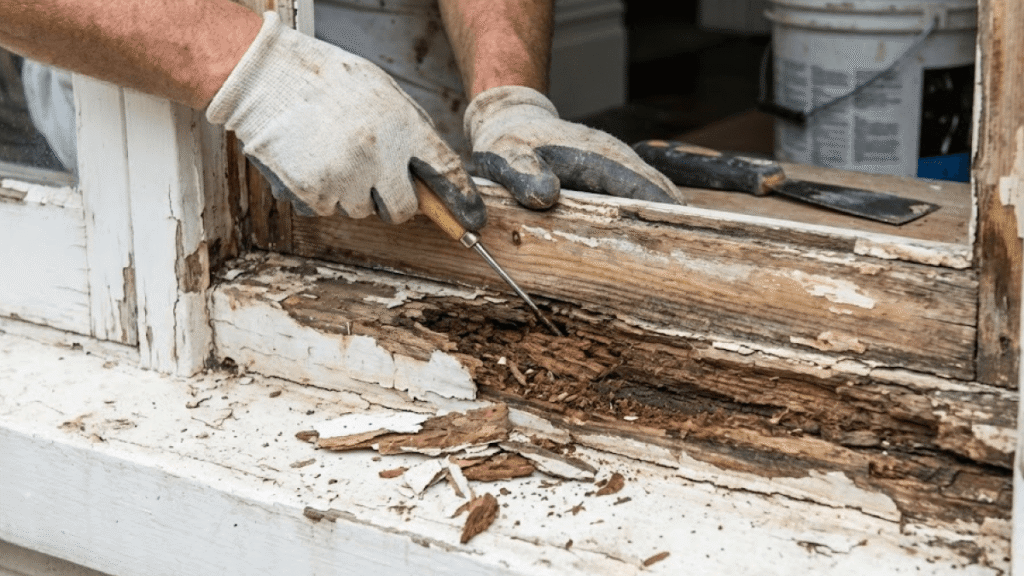
Traditional timber windows differ from modern uPVC and composite units because they use high-quality softwood and hardwood materials which include detailed joinery work and putty-glazed glass and counterbalanced sash window systems. The material maintains its strength, yet it allows water to pass through which results in the following problems:
- The wood material expands and distorts when exposed to wet conditions.
- The lower sections of the window and its base develop rot.
- Moisture that penetrates beneath the paint surface causes the paint to fail.
The worst error involves using breathable paints which modern finishes do not allow; these paints trap moisture which speeds up the decaying process. Historic England reports that more than 70% of window damage in listed buildings occurs because of unsuitable finishes instead of natural wear and tear.
The British Standard for historic building conservation BS 7913:2013 requires painters to use flexible breathable paints which protect timber from water while enabling its natural breathing process to continue.
Step 1: Assess and Repair Before Painting
It is vital to avoid painting wood surfaces which already show signs of damage.
Start with a thorough inspection:
- Soft or crumbly timber (signs of wet or dry rot)
- Cracked or missing putty around glass panes
- Loose joints or draughty gaps
- Flaking or blistered paint (indicating moisture behind the surface)
The use of epoxy fillers and dutchman repair methods enable site-specific minor repairs. Consult a specialist joiner for severe rot to assist with repairs especially when dealing with listed buildings or properties found in conservation areas.
Regulatory Note: Homes situated in Grade II listed areas or designated conservation zones within Surrey usually require Listed Building Consent before window replacement or major alterations. Always check with your local council first.
Step 2: Strip and Prepare Properly
Avoid Harsh Methods
- Historic glass windows face risks from heat gun use because they shatter glass and damage putty used to secure the glass.
- Avoid chemical strippers containing methylene chloride; they leave residues that prevent paint adhesion.
Instead, use:
- Hand scraping with tungsten-tipped tools
- Low-pressure steam stripping (for heavy layers)
- Fine wire wool or sanding blocks for final smoothing
After exposing bare wood conduct thorough cleaning with a tack cloth followed by complete drying of the surface. The wood must have less than 18% moisture content before painting, so you should use a moisture meter to check it.
Step 3: Choose the Right Paint System
Most DIY enthusiasts make their biggest mistake right at this point. The best approach for painting wooden windows Surrey period homes depends on your property’s age and exposure.
For Pre- 1919 Solid-Wall Buildings:
Use microporous, breathable paints such as:
- Linseed oil-based paints (traditional, flexible, slow-drying)
- Water-based alkyd hybrids (e.g., Farrow and Ball Exterior Eggshell, Little Greene Absolute Matt)
- Limewash-compatible systems (for lime-plastered homes)
These allow moisture vapour to escape while repelling rain-critical in Surrey’s humid climate.
For Later Period Properties (1920s–1950s):
Modern water-based satinwood or acrylic gloss with UV inhibitors work well, provided the wood is sound and properly primed.
Key Tip: Always apply a knotting solution to resinous knots before priming, and use a flexible undercoat designed for exterior timber.
Step 4: Apply with Precision
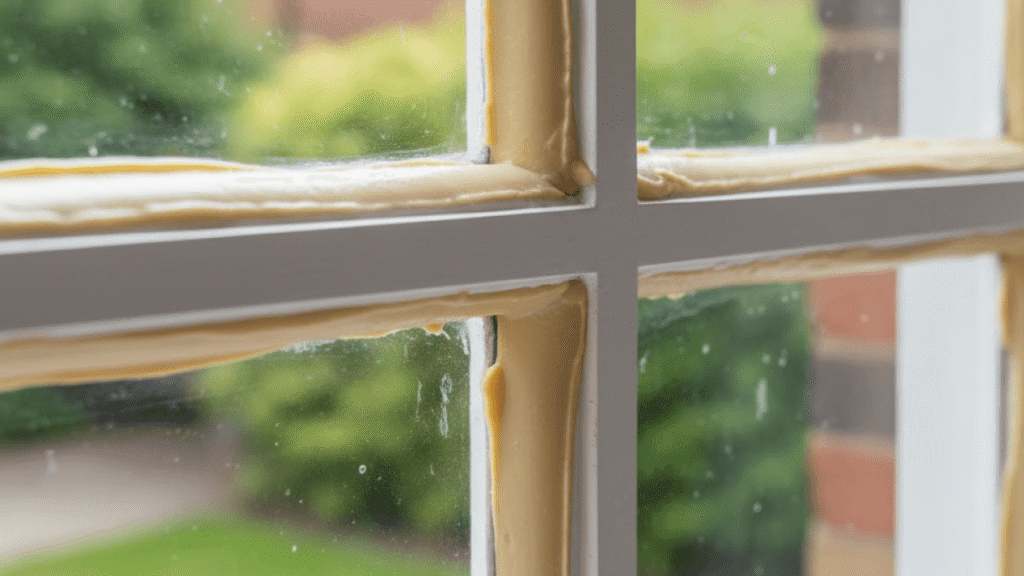
Professional results come from technique:
- Prime all bare wood within 48 hours of preparation to prevent tannin bleed.
- Paint in thin, even coats-thick layers crack and peel faster.
- Don’t paint the window shut-leave a 1–2 mm gap at meeting rails to allow movement.
- Re-bed glass panes with fresh linseed-oil putty if needed, then paint over once cured (typically 7– 14 days).
Our spray-painting service delivers perfect results because it provides uniform coverage for complex glazing bars which avoids brush marks. Our commercial woodwork paint spraying case study shows that proper spray application leads to better durability than other methods.
Common Mistakes to Avoid
- Skipping primer: Leads to poor adhesion and rapid failure.
- Using interior paint: Not UV- or moisture-resistant.
- Painting in wet or cold weather: Below 10°C or high humidity prevents proper curing.
- Ignoring the sill: The most exposed part-always give it extra coats and a slight drip edge.
The NHBC advises timber window owners in southern England to repaint their windows every 5 to 7 years for protection against weather damage except when windows receive heavy rain exposure.
When to Call a Professional
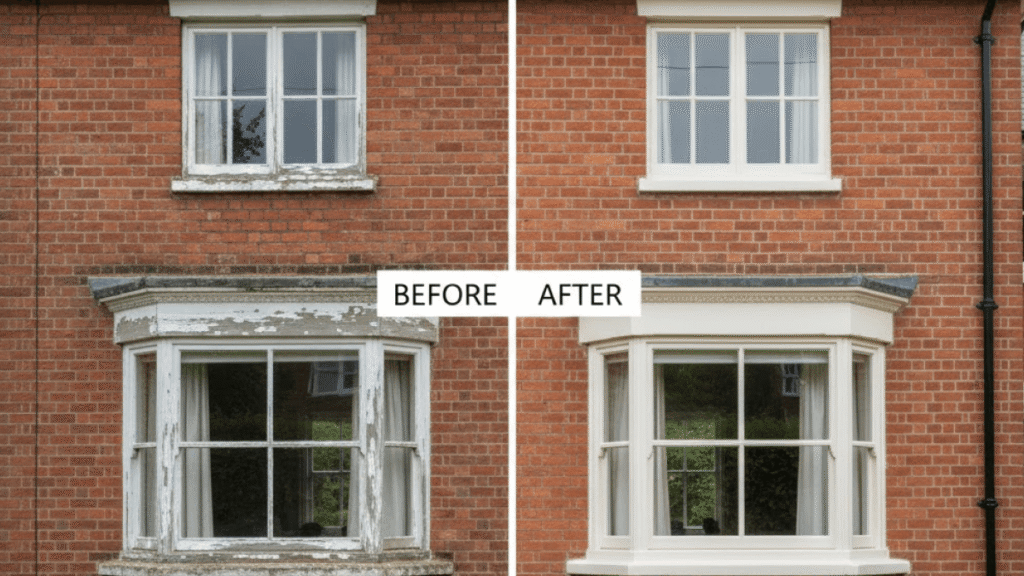
You can handle minor repairs by yourself but professional painters should take over when you need to repaint all your period home windows. At Surrey Painters, we:
- Our team protects heritage buildings through conservation-approved products which maintain their original state.
- The work is carried out with the utmost precision so as not to damage the original glass and metal parts.
- We provide a full range of documentation services that ensure the protection of all state-protected facilities we work on.
- Our company provides maintenance plans which help customers maintain their painted surfaces for extended periods.
Our team finished a project at a Grade II-listed villa in Epsom where we restored 24 sash windows through breathable microporous paint which protects the building from weather damage.
Final Thoughts
The process of painting wooden windows in Surrey period homes serves two purposes because it creates visual appeal while protecting the original structure. The protection of your property needs you to select breathable materials while following historical standards and performing correct preparation work.
Your home loses its appeal because peeling paint and drafty window frames have become unattractive elements in your home. Your original windows will stay functional and beautiful and compliant with regulations for many years when you apply the proper methods.