
 mainwp
13 Mar
mainwp
13 Mar
Can Thermal Paint Reduce Heating Bills in Surrey?
Two competing products in the market offer thermal paint which reduces both heating expenses while claiming to decrease energy use by 35% and insulating paint which acts as a substitute for wall insulation.
Surrey homeowners who face rising energy bills together with their older home’s increasing coldness find these claims to be completely unrealistic. This specific pattern appears in most scenarios I encounter.
Surrey Painters receives multiple requests for information about thermal paint which provides cost savings through reduced heating expenses in the Surrey area. This guide uses scientific data to expose deceptive thermal paint marketing and provides authentic function and tested efficiency-boosting methods for residential homeowners.
What Is “Thermal Paint” and How Is It Marketed?
Thermal paint insulation consists of tiny ceramic and glass microspheres which remain suspended in an acrylic or silicate base solution. These particles serve three main purposes for their producers:
- They return heat waves back to residential areas
- They stop heat from passing through building walls
- They serve as an alternative to conventional building insulation materials
The Surrey residents who wish to protect their solid-wall Victorian and Edwardian homes have selected the products Thermilate InsOpaint and Hy-Tech Premium since these options provide cavity wall insulation benefits.
The Science: What Independent Tests Reveal
Does thermal paint actually work? The basic explanation indicates that thermal paint delivers moderate results, but these results do not produce noticeable reductions in heating costs.
The Building Research Establishment (BRE) performed tests that generated the following scientific data:
- Standard thermal paints achieve a thermal resistance (R-value) of 0.02–0.05 m²K/W
- Proper cavity wall insulation delivers R-values of 2.5+ m²K/W
- Solid-wall internal insulation systems reach R-values of 3.0+ m²K/W
The performance of thermal paint requires more than 50 coats to reach the level of efficiency that initial insulation provides.
The University of Salford conducted a 2023 study which evaluated thermal paints through home experiments that showed:
- The walls which had the paint treatment experienced an average temperature boost of 0.3–0.7°C
- The entire heating season failed to show any gas consumption reduction because of this approach
- The best outcome appeared when paint was applied to exterior walls that received sunlight yet this strategy did not show substantial benefits for Surrey homes built with north-facing walls.
Thermal paint demonstrates minimal success in reducing radiant heat while it fails to solve substantial issues of solid wall construction combined with draft-inducing air leakage.
Surrey-Specific Challenges: Why Thermal Paint Falls Short Here
Surrey faces two main obstacles because its housing market and weather conditions present unique challenges:
| Factor | Impact on Thermal Paint Performance |
| Solid-wall construction (pre-1920s) | Paint cannot address the 300mm+ thickness of brick/stone where most heat escapes |
| High humidity & rainfall | Moisture trapped behind non-breathable thermal coatings accelerates damp and mould-worsening energy performance |
| North-facing elevations | Common in terraced streets; minimal solar gain negates any reflective benefit |
| Airtightness issues | Period homes leak heat through gaps around windows/skirting-paint does nothing to seal these |
The information we present in our paint problems guide indicates that certain coatings render solid walls impermeable while trapping moisture which then creates brick damage and produces excessive heat loss.
What Actually Counts in Building Regulations
Part L of the Building Regulations demands that energy efficiency upgrades demonstrate U-value reduction through verified assessment. This type of paint fails to meet two different criteria:
- EPC improvement schemes do not accept thermal paint as insulation material
- Minimum renovation standards do not include thermal paint acceptance
- TrustMark together with PAS2030 do not accept thermal paint products
The following measures count toward EPC upgrades:
- Internal wall insulation (IWI) systems
- External wall insulation (EWI)
- Draught-proofing of windows and doors
- Loft insulation to 270mm depth
The UK government provides homeowners with cost-effective home improvement guidance through its Simple Energy Advice service which states that special paints do not offer significant insulation value.
Proven Alternatives That Actually Reduce Heating Bills
Surrey homeowners can follow these proven methods to reduce home energy costs in their area:
1. Draught-Proofing (Cost: £100–£400)
The method of sealing windows and doors and floorboards enables homeowners to achieve a 20% heat loss reduction which surpasses all paint-based alternatives. Our wooden window painting service includes full draught sealing as standard.
2. Breathable Insulating Plasters (Cost: £40–£60/m²)
Lime-based insulating plasters (e.g., Baumit DP88) for solid-wall homes deliver actual thermal insulation (R-value ~0.5) while allowing walls to breathe properly in Surrey’s damp climate.
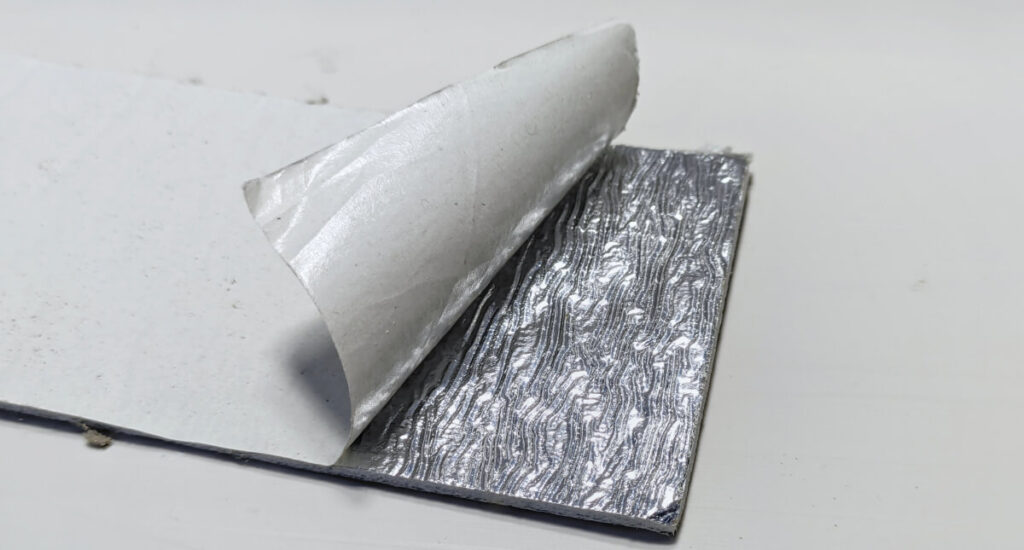
3. Reflective Foil Behind Radiators (Cost: £20–£50)
The installation of foil-backed panels presents a simple solution that steers heat back into rooms instead of allowing it to escape through external walls.
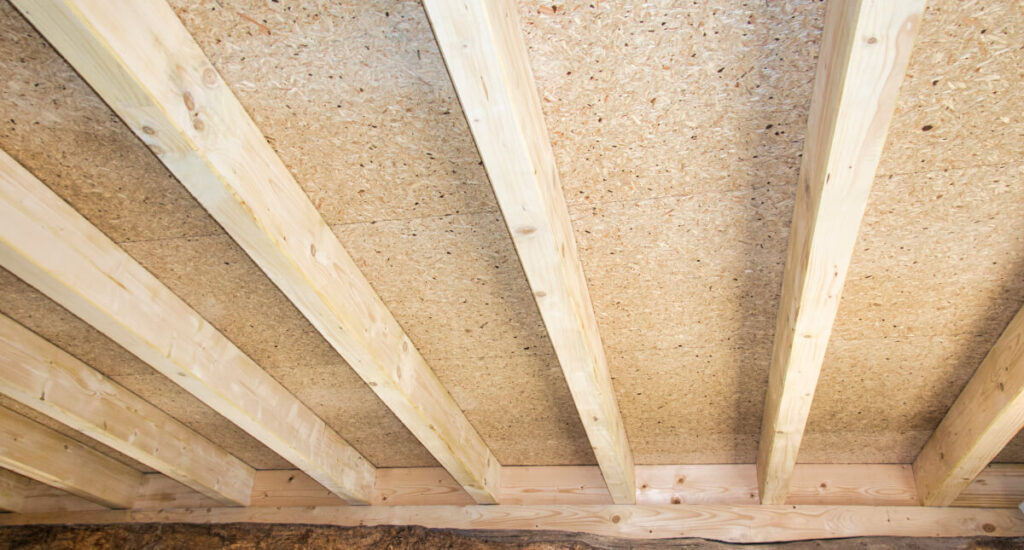
4. Loft Insulation Top-Ups (Cost: £300–£500)
Most homes need their initial insulation upgrade when their loft insulation falls under 270 millimeters.
When Thermal Paint Might Have a Supporting Role
- Thermal paint functions as an additional support layer when installed after proper insulation to enhance surface temperature.
- Metal-clad warehouses use paint for thermal protection from their main heat loss source which is radiation.
- The system operates by linking with exterior thermal render solutions that defend every visible part of the building.
The system provides between 1 to 3 percent heating demand reduction while the advertised decrease in mean time reaches 25 to 35 percent.
Final Verdict: Manage Expectations
Thermal paint offers a method to decrease heating costs in Surrey homes. The reduction of three percent falls below the level that would appear on energy bills. The total amount of thermal paint savings reaches between £300 and £600 when homeowners select these three home improvement investments:
Homeowners should spend £150 to install thermostatic radiator valves.
You need £50 to stop heat loss through window gaps.
The cost to convert single-glazed windows into effective thermal barriers starts at £200 through the addition of heavy curtains.
Surrey Painters does not recommend thermal paint as the primary solution for energy conservation. Our company helps customers select their top-priority energy-saving measures from proven solutions including breathable exterior wall finishes and interior sealing systems.