
 mainwp
11 Feb
mainwp
11 Feb
Choosing the Best Exterior Paint for Surrey’s Climate
The traditional villages of Surrey and their suburban neighborhoods experience both traditional rural environments and urban development impacts which threaten exterior home protection.
The climate in Surrey combines more than 150 rainy days per year with elevated humidity levels and fluctuating temperatures to require specialized exterior paint selections that consider ventilation needs and temperature protection.
Surrey Painters’ team has developed their expertise through years of product testing and painting experiments which now allows them to serve customers in Woking and Epsom as well as throughout Guildford.
The manual provides guidance on exterior paint products which safeguard against weather exposure while explaining the correct masonry and timber surface selections that prevent repair needs from low-quality paint choices.
What Makes Exterior Paint for Surrey’s Climate Different from Regular Paints
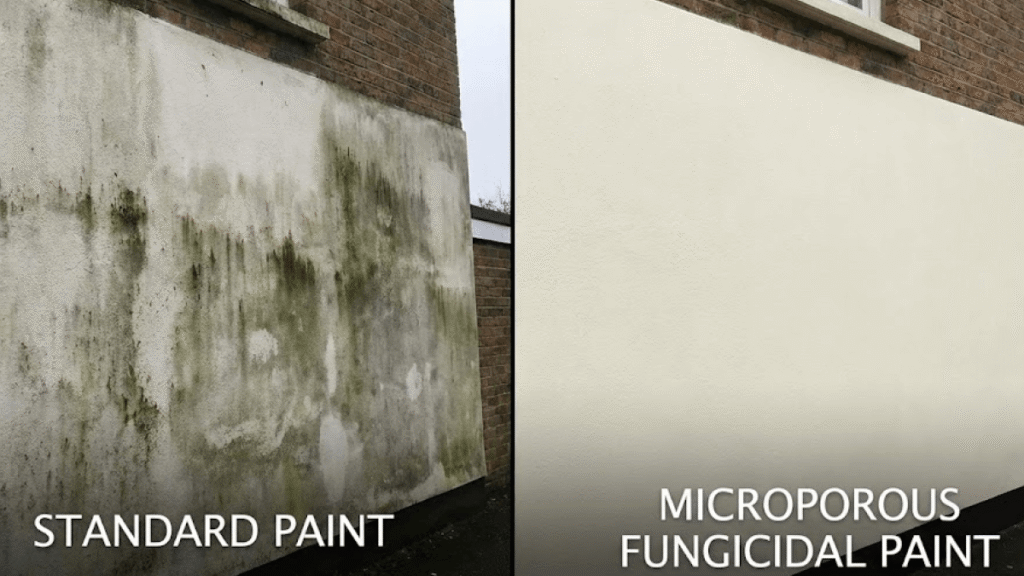
London Clay soil in Surrey remains wet because of the frequent rainfall during autumn, winter and spring. The Met Office reported that Surrey gets around 750 mm of rainfall yearly while the air remains 80% humid which makes walls prone to both mould development and paint damage and algae formation.
Frequent problems include:
- Blistering and peeling due to trapped moisture
- Green algae growth on north-facing walls
- Timber rot from prolonged damp exposure
- Efflorescence (white salt deposits) on brick and render
Exterior painting problems mainly stem from poor coating choices which restrict ventilation while failing to withstand local climate conditions.
The Best Masonry Exterior Paint Choices for Render and Brick and Stone
A special masonry painting procedure requires water vapor-permeable coatings to prevent water intrusion. Surrey residents should use the following options:
1. Silicate (Mineral) Paints
- Perfect for: Solid brick, lime-rendered, or historic properties
- The chemical bonding process creates an eternal UV-resistant finish that maintains its durability.
- Breathability: Extremely high (Class I)
- Lifespan: 15–25 years
Keim and Beeck paint brands have gained popularity among conservation areas and listed buildings because their film-free products prevent peeling and blistering.
2. Microporous Acrylic Paints
- The paint proves ideal for modern cement render and pebbledash and painted brick surfaces because it combines flexibility with water resistance and vapor permeability.
- Breathability: High (Class II)
- Lifespan: 10–15 years
For shaded and damp-prone elevations use “mould-resistant” or “algae-inhibiting” products.
Avoid: Vinyl-based masonry paints. The low-cost vinyl-based paint products create barriers which lead to frost damage and brick surface degradation that we address during our winter-ready maintenance of exterior surfaces.
The Best Exterior Paint for Timber: Windows, Cladding and Doors
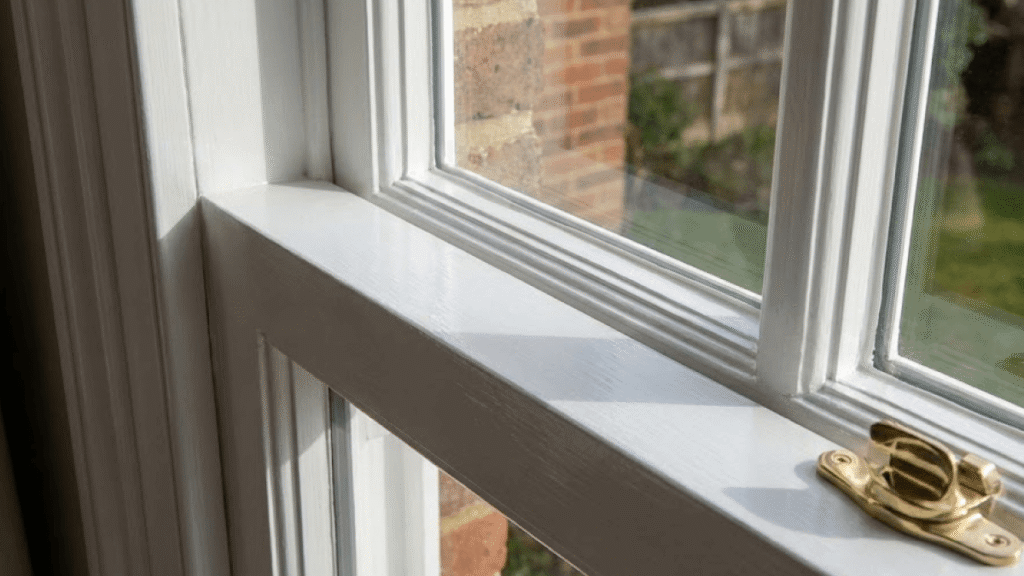
The rainy weather conditions in Surrey create a major problem for buildings constructed from wood. The wood will expand before cracks develop and eventually start to rot when environmental exposure lacks proper protection.
Timber Paint Requirements:
- The paint needs to remain flexible because wood undergoes natural movement
- The paint must protect against sunlight damage which causes fading and material breakdown
- The paint requires fungicidal components to stop the growth of mould and mildew
Recommended Options:
Water-Based Acrylic Undercoat + Topcoat System
- Best for: Sash windows, doors, and softwood cladding;
- Benefits: Low VOC, quick drying, excellent adhesion;
- Tip: Always use a knotting solution on resinous knots before priming.
The Oil-Modified Alkyd Paints (Low-VOC Formulas)
- Best for: Serve best for hardwood frames and heritage properties which need traditional finishes;
- Note: Must comply with UK VOC limits—max 130g/litre for gloss finishes under The Volatile Organic Compounds in Paints Regulations 2019
If you plan to repaint previously stained timber, you must prepare the surface properly. Our commercial woodwork paint spraying project revealed that unsealed stain allowed color to escape which caused paint to lose its grip and led to premature deterioration despite using high-quality paint.
Colour, Sheen and Application Tips for Longevity
Choose lighter colors because dark colors make wood expand too much.
Dark paint colors absorb heat which causes wood to undergo intense expansion and contraction that results in material stress which damages the wood. The best choice for sunny areas includes light grey tones and cream shades and soft green colors.
Use Matt or Satin Finishes on Walls
Windows reach their peak appearance through gloss but this finish reveals all wall imperfections when applied to extensive wall areas. A soft sheen or matt finish hides minor flaws and reduces glare.
Spray vs. Brush Application

Our warehouse cladding projects use airless spray application for large areas including cladding and render because this method provides:
- The spray system creates even coverage throughout the entire surface area.
- The application process enables paint to reach deep into surfaces which have textured patterns.
- The system enables equipment operators to complete their tasks at an accelerated pace when they perform maintenance in humid environments while working with the airless spray application system.
Brushing serves as the ideal application method for detailed timber work since it stops paint from spreading to undesired areas.
Regulatory and Environmental Considerations
Homeowners do not need planning permission to paint their exteriors but legal requirements must be followed:
- Insurance policies become void if VOC limits set by retained EU law are exceeded.
- Non-breathable paint should be avoided when covering solid-wall buildings based on recommendations from Historic England.
- Spraying operations should avoid strong winds because it prevents paint from spreading to neighboring properties.
Product data sheets from your decorator must be requested to confirm compliance.
Final Recommendation: Don’t Just Paint-Protect
The paint you use for exterior applications in Surrey must satisfy the following criteria:
- The paint needs to allow air to move through the surface
- The paint needs to prevent mould and algae development
- The paint needs to expand and contract naturally with wood
- The paint needs to meet UK VOC regulations
- All paint application surfaces must receive proper preparation according to the guidelines.
Surrey Painters brings together surface preparation expertise alongside suitable weather-resistant products and expert application methods to develop finishes that last through all rainy seasons.
Our team can help you find the perfect system to safeguard your Victorian sash window restoration and Croydon cladding painting service against Surrey’s weather. restrictions.