In this article
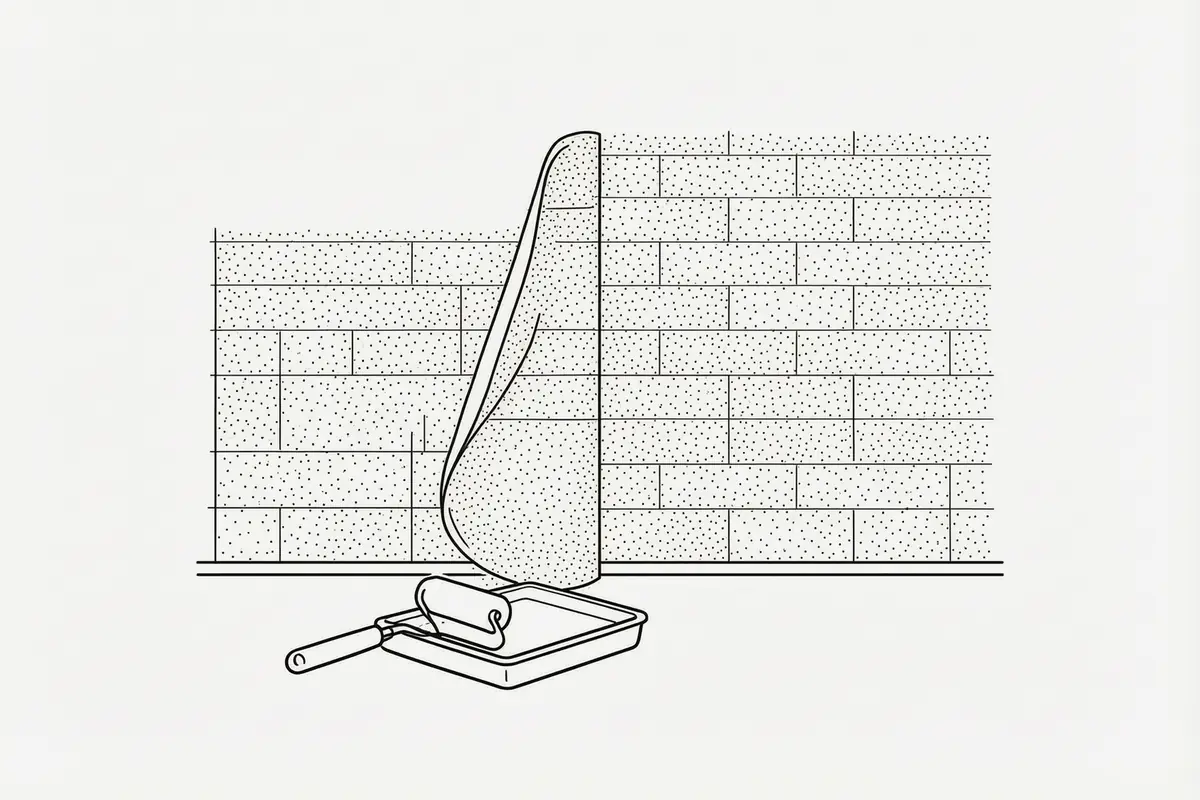
Painting over wallpaper looks like a shortcut, and sometimes it is. Done over the right paper with the right sealer, it gives a tired room a clean face in a weekend. Done over the wrong paper, it lifts and peels within months, and you end up stripping a wall that is now harder to strip because it carries two coats of paint on top.
The rule we work to: paint over wallpaper only when the paper is sound, stuck fast and not vinyl, and always seal it first with a primer made for the job. If the paper is blown, lifting at the seams, or a shiny vinyl, strip it.
Which papers take paint, and which will fail
Most of the wallpapered rooms we see in Surrey are pre-war houses with several generations of paper layered over lath-and-plaster or lime plaster. The layers above decide whether paint will hold.
Paper that takes paint well is paper that is porous and stuck. Lining paper, woodchip and a previously painted anaglypta all have enough tooth for a sealer to grip, and they are usually sound if the paste is still doing its job. A painted anaglypta that has already held one coat of paint is the best candidate of all.
Paper that fails is vinyl and anything that has lost its bond. Vinyl is made to repel dirt and moisture, which is exactly what makes paint struggle to grip it. Blown seams, bubbled patches and corners that have lifted are a different failure: the paper is no longer stuck to the wall, and paint only adds weight to something already coming away. Damp is the third disqualifier — if the paper is stained, soft or cold in patches, the wall behind is wet, and no sealer will hold paint over a damp substrate.
Test the paper before you commit
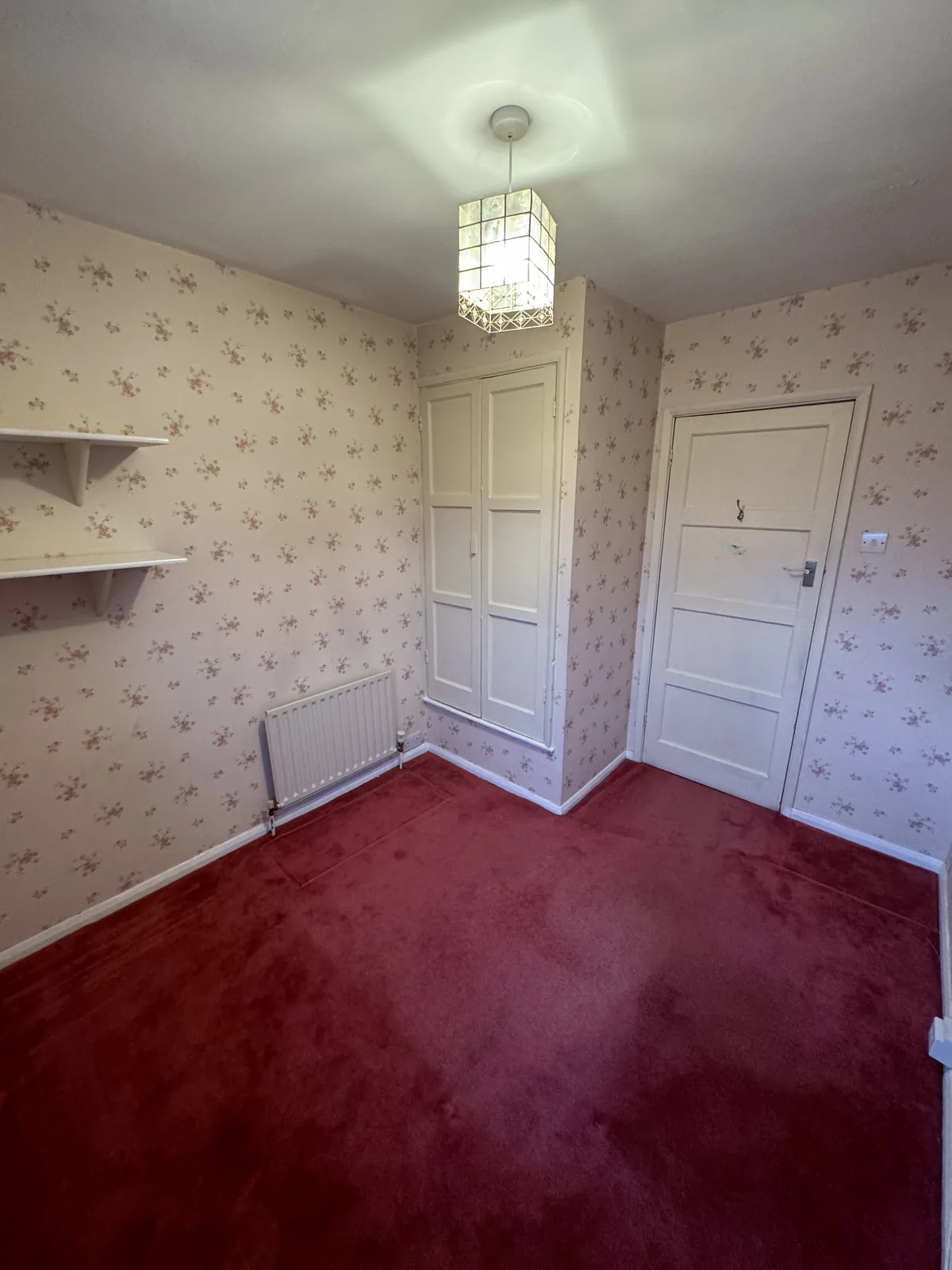
Five minutes of testing tells you more than any list, and it costs nothing. Run a fingernail along every seam and the corners: if the paper lifts or moves, it is not stuck. Press the flat of your hand across the wall and listen for a hollow, papery crackle — that is paper that has lost its bond in the middle, not just at the edges.
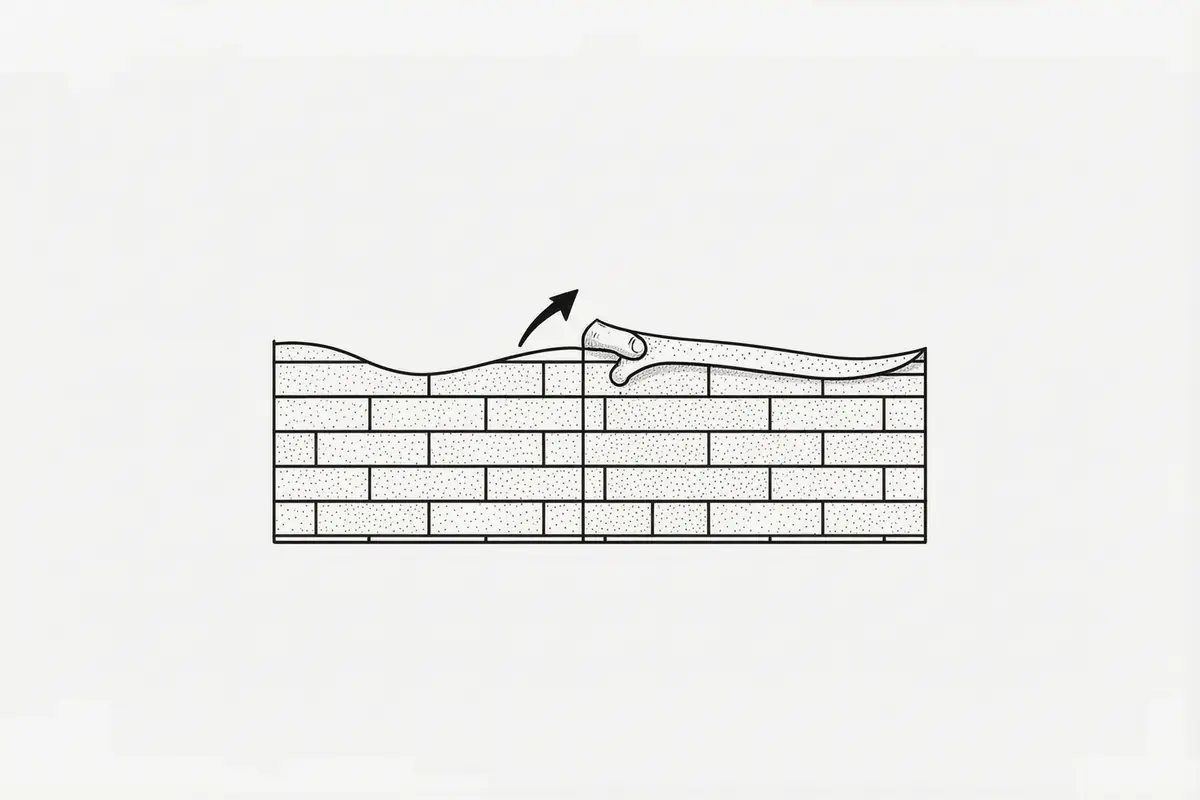
To find a vinyl, wet a small, discreet corner with a damp cloth and wait a minute. A vinyl surface stays beaded and glossy where a porous paper dulls and softens. If you are still unsure, lift a corner of the top layer and peel back a sliver: a vinyl face comes away as a thin plastic film, where a paper face tears and leaves fibre behind.
The honest conclusion of a failed test is that you are not going to paint this wall. We strip it, because a wall that fails the test will fail the paint.
The method: stick, seal and paint
When the paper passes, we work to a fixed order.
- Stick down anything loose. Re-glue lifted seams and corners with wallpaper paste and leave them overnight to dry before you touch them with paint.
- Caulk the edges. Run a thin bead of decorator’s caulk along the seams, the ceiling line and the skirting, and smooth it flat, so the joints do not open as the paint dries.
- Wash, not soak. Wipe the paper with a barely damp sponge and a little sugar soap, then a wrung-out clean cloth, and leave it overnight to dry. Too much water reactivates the paste.
- Seal it. Roll or brush on a primer-sealer made for wallpaper, in one even coat, and leave it for the time on the tin before painting.
- Paint it. Two coats of a good emulsion or eggshell, laid off cleanly, letting each coat dry before the next.
The sealer is the step that decides the outcome. Skip it and the water in the paint soaks into the paste, the paper lifts off the wall, and you get the bubbles and blisters everyone warns about.
The primer-sealer that makes it work
The primer is not a coat of paint; it is a barrier. What decides it is not whether the sealer is water-based but what it dries to: a hard, water-resistant film that stops the paint’s moisture ever reaching the paste. A plain water-based primer never forms that film, and it adds the very moisture that lifts the paper, which is why it is the wrong tool here.
We use two Zinsser sealers, chosen by the job. Zinsser Gardz is a problem-surface sealer that dries to a hard film over uncoated paper and old paste; it covers five to ten square metres per litre, is recoatable in three hours and fully cured in three days. Zinsser Wallpaper Cover-Up is an all-in-one primer, sealer and stain blocker that hides the print and seals in one coat; it covers five to eight square metres per litre and is recoatable in four hours.
If you have hung fresh lining paper and want to paint it, wait thirty-six to forty-eight hours for the paste to dry first.
The paint that goes on top
Once the paper is sealed, the topcoat is ordinary wall paint. A trade vinyl matt or a durable matt is our default for a living space, and an acrylic eggshell where the room takes knocks, such as a hallway. Two coats are almost always needed to hide the pattern and even out the sheen; a bold print may want a third.
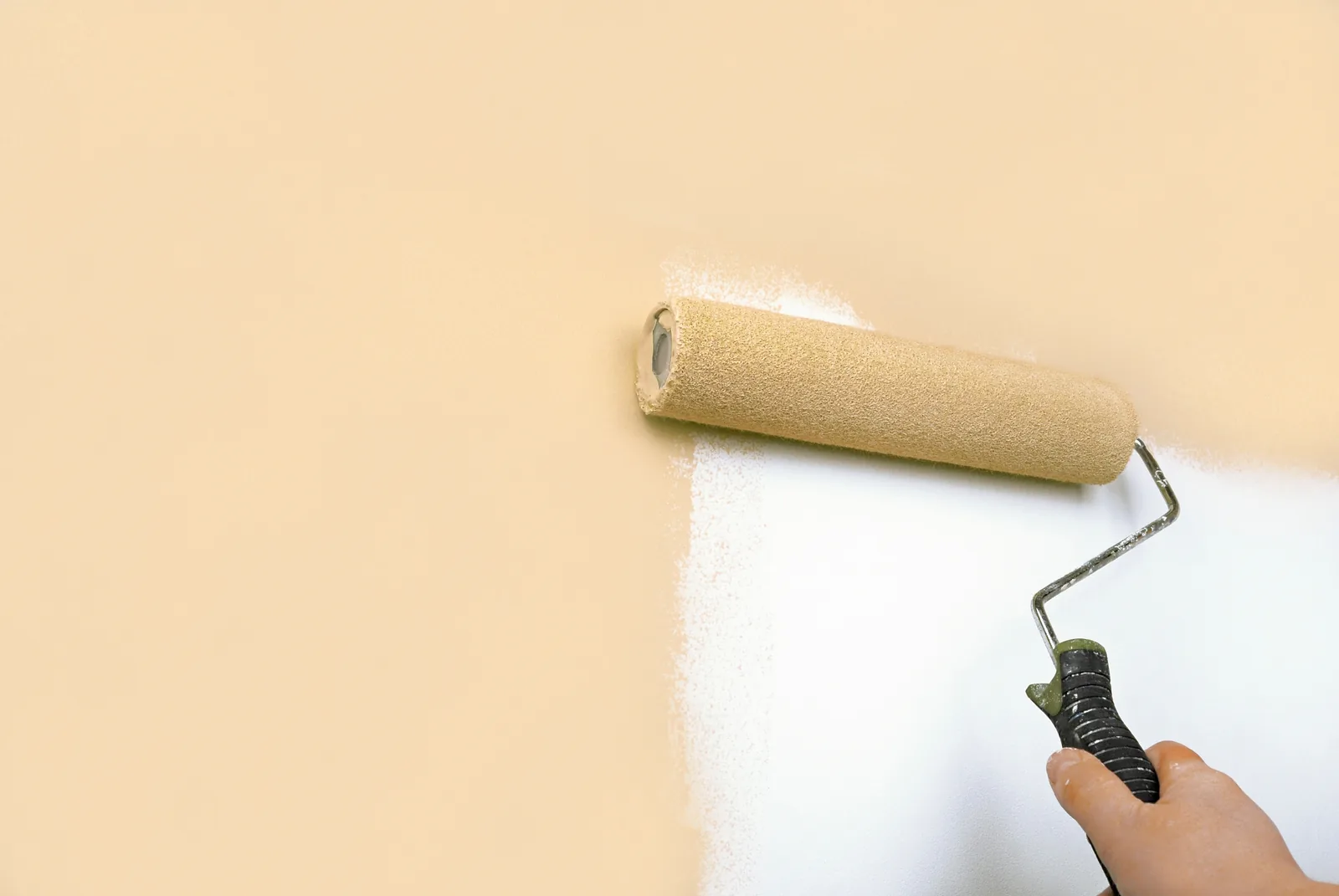
The finish will never be quite as flat as a freshly plastered wall, because the paper’s texture and seams still sit underneath. On a smooth lining paper the difference is small; on a heavy woodchip it is not, and the relief will show through. If a perfectly flat wall is what you are after, painting over paper is the wrong route.
When stripping is the honest answer
We strip rather than paint when the paper is blown, vinyl, damp, or when the finish has to be flat. Stripping is slower and messier, but it is the only way back to a surface you can trust, and it is the right call on the older Surrey houses where the wall behind is lime plaster that needs to breathe.
Our guide to how to remove wallpaper walks through the strip itself, and if you would rather hand the whole job over, our wallpaper hanging service takes the wall back to bare plaster and starts again.
Frequently asked questions
Can you paint over vinyl wallpaper?
You can, but it rarely lasts. Vinyl is made to repel moisture, so paint struggles to grip it, and even over a primer the film sits on a surface never meant to hold it. We strip vinyl rather than paint it; if you must paint it, a shellac-based primer is the only thing with a real chance of bonding.
What primer do you use to paint over wallpaper?
A wallpaper primer-sealer, which dries to a hard, water-resistant film that stops the paint’s moisture reaching the paste. Zinsser Wallpaper Cover-Up hides the print and seals in one coat; Zinsser Gardz does the same on uncoated paper and old paste. A plain water-based primer is the wrong tool, because it adds the very moisture that lifts the paper.
Does painting over wallpaper cause it to peel?
Only when the paper was already failing, or when it was painted without a sealer. Sound paper that is stuck fast, sealed and painted with two coats will hold for years. The peeling people see is usually the paste giving way under the water in the paint, which the sealer prevents.
Is it better to strip wallpaper or paint over it?
Strip it if the paper is blown, vinyl, damp, or if you want a flat wall. Paint over it if the paper is sound, porous and stuck, and you are happy to keep the texture and seams. The test in this article tells you which side of that line your wall is on.