In this article
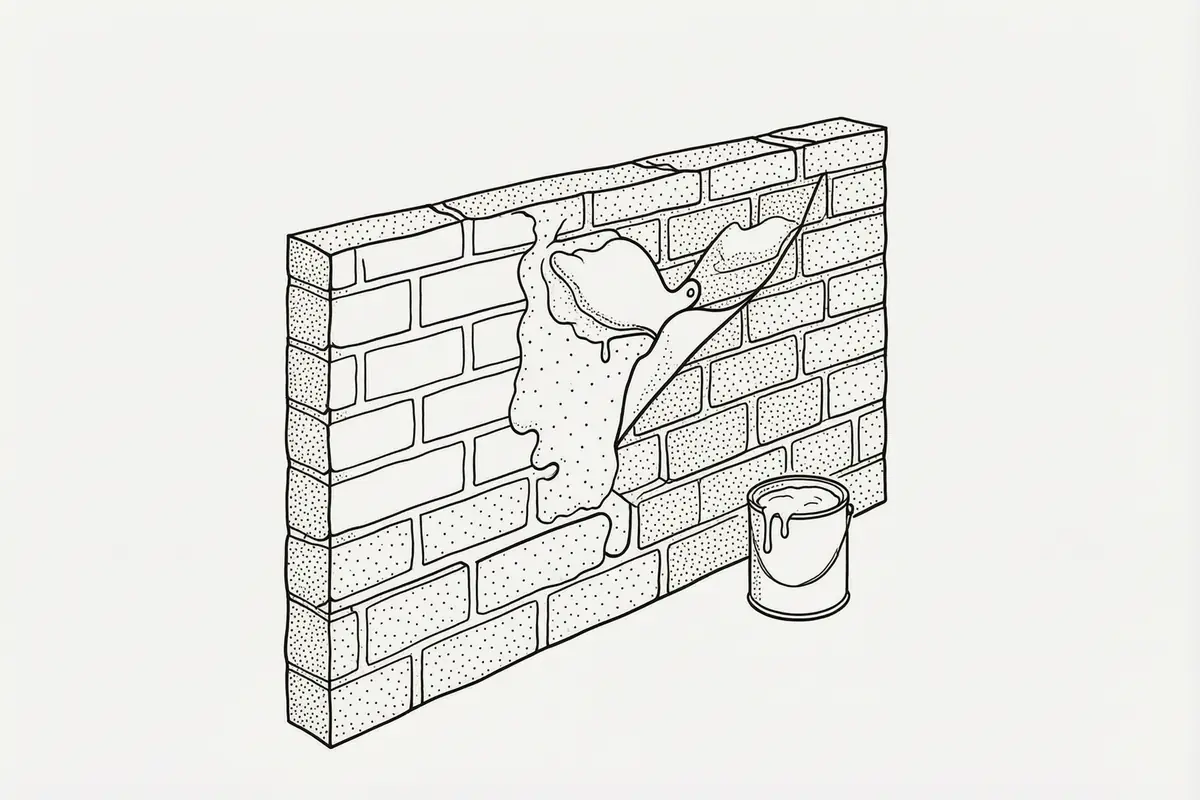
Paint on brick is one of the hardest things a decorator is asked to undo. Brick is porous, so paint soaks in and grips in a way it never does on timber or plaster, and the very thing that makes brick attractive — its soft, fired face — is also what makes it easy to damage. Across Surrey, where Victorian and Edwardian terraces are built from soft hand-fired red brick, we are asked more often to take paint off than to put it on.
The plain rule: use a chemical poultice or gel stripper, or steam, and never sandblast, grit-blast or wire-brush the face. Check for lead first on pre-1980s paint, and leave sound paint in place where the brick is soft.
First, decide whether the paint should come off at all
Before you buy a single stripper, ask why the paint is there and what is underneath it. A lot of brick was painted for a reason, and a good deal of it should stay painted.
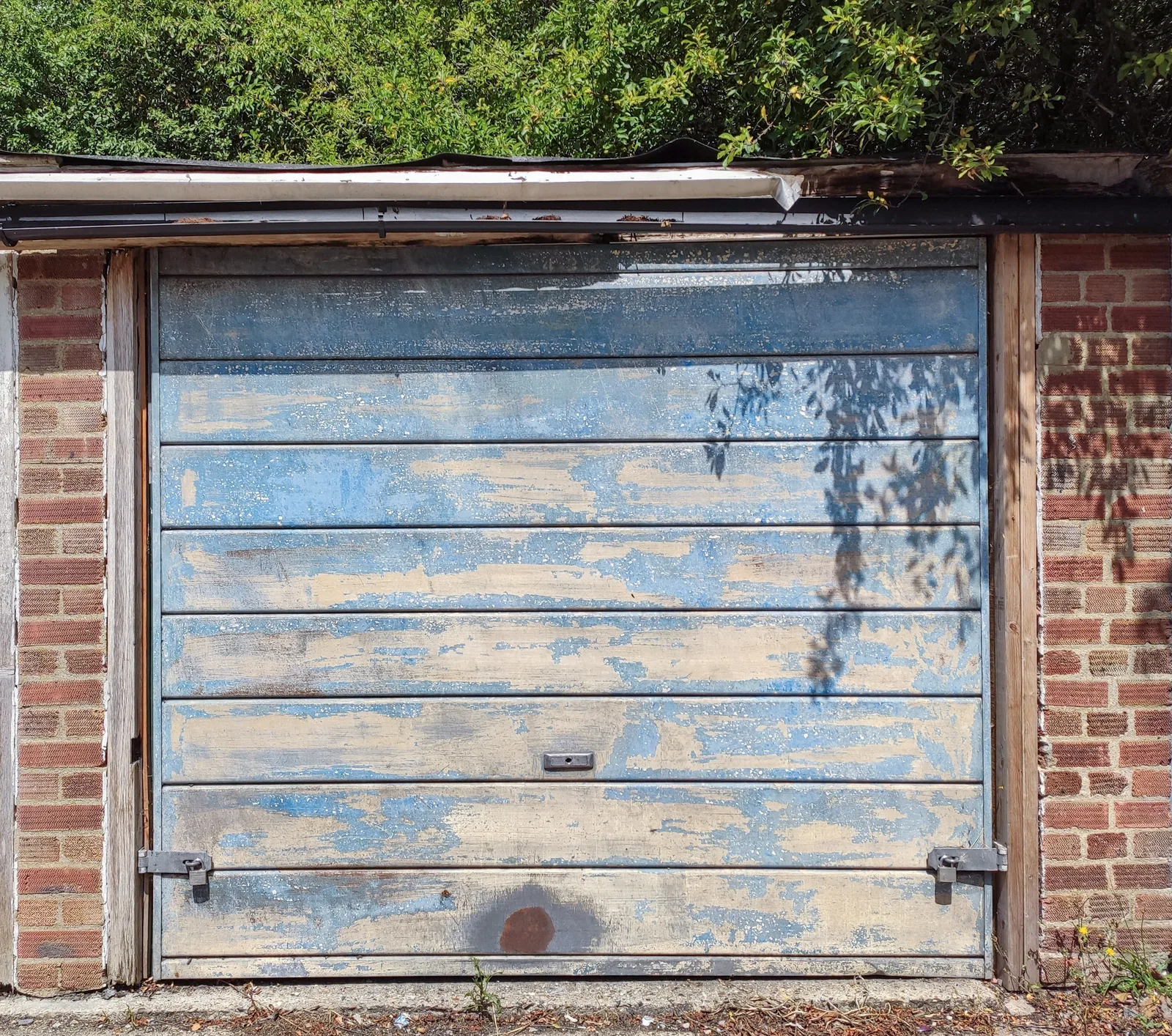
Sound paint that is still firmly bonded and covered by newer, non-leaded coats is doing a job: it seals the wall and keeps water out. Stripping it to reveal brick that was never meant to be exposed can leave you with a colder, damper, more absorbent wall. The Health and Safety Executive’s guidance on lead in paint is blunt — it says to leave paintwork in place when it is in good condition and covered by non-leaded paint, and to strip only what is flaking, chipping, giving off dust or a risk to children.
The honest cases for removing paint are a failed, peeling or blistered finish you are about to repaint anyway; paint that is trapping moisture and spalling the brick; or a painted front you want to return to bare brick. Read the conservation-area section below first, because bare brick is not always the right answer.
Why blasting and wire-brushing ruin the brick
The quickest methods are the most destructive, and they are the ones people reach for first.
A fired brick has a hard outer skin — the fire-skin — formed when the clay vitrifies in the kiln. Beneath that thin crust the body of the brick is softer and far more porous. Sandblasting, grit-blasting, needle guns and aggressive wire-brushing do not just remove the paint; they abrade away the fire-skin and expose the soft core. Once that skin is gone, the brick drinks water, the face frosts and spalls in the first winter.
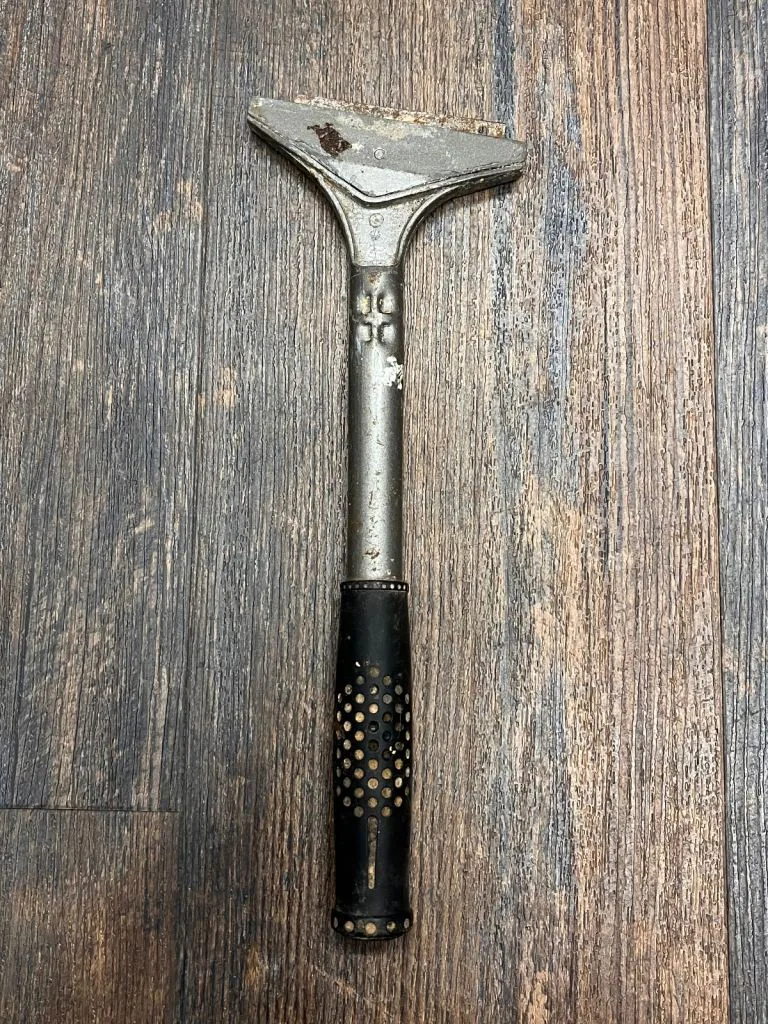
A wire brush used with a light hand to loosen already-softened paint is one thing; a wire cup brush on an angle grinder is another entirely. We treat blasting as a method of last resort, and even then only on hard, dense engineering brick, never on a period front.
Old paint may be leaded — work wet, not dry
Paint on anything built before about 1980 can carry lead in its older coats, and most of Surrey’s Victorian and Edwardian brick is in that bracket. It changes the method, not the goal: strip with a chemical stripper or wet abrasive paper rather than dry sanding, never a blow lamp, a hot air gun kept below 500°C if you use heat at all, an FFP3 mask, and the area sheeted so the debris is bagged rather than swept. A cheap swab test kit settles the question in a minute.
The methods, in order of gentleness
Work through these from the least aggressive to the most, and only move down the list when the gentler method will not shift the paint.
- Chemical poultice or gel stripper. The first choice for brick. The stripper is spread thickly over the paint and left to dwell, then the softened paint is lifted away. This is the method that does the least harm to the face.
- Steam. A wallpaper steamer or dedicated steam stripper softens the paint film so it can be scraped off. Slower than chemicals but very gentle, and useful where you want to avoid solvent.
- Hot air, kept cool. A hot air gun used below 500°C can soften a single coat enough to scrape it, but it is fiddly on brick and risks scorching the surface.
- Wet scraping and wet abrasive paper. For small areas and drips, wetting the paint and working it with a scraper or wet-and-dry paper keeps dust down.
- Blasting. Last resort only, on hard engineering brick, and never on a period front.
Poultice and gel strippers: how they work
A poultice stripper is the professional’s default for brick because it works by soaking in rather than scraping off. The product is spread over the paint in a thick layer, often covered with a plastic or paper backing sheet, and left to dwell while the active chemicals soften the paint through to the substrate. The dwell time matters more than anything else — too short and you scrape half-softened paint; too long and some alkaline strippers can begin to affect the brick beneath. Always run a test patch first, and follow the maker’s dwell time.
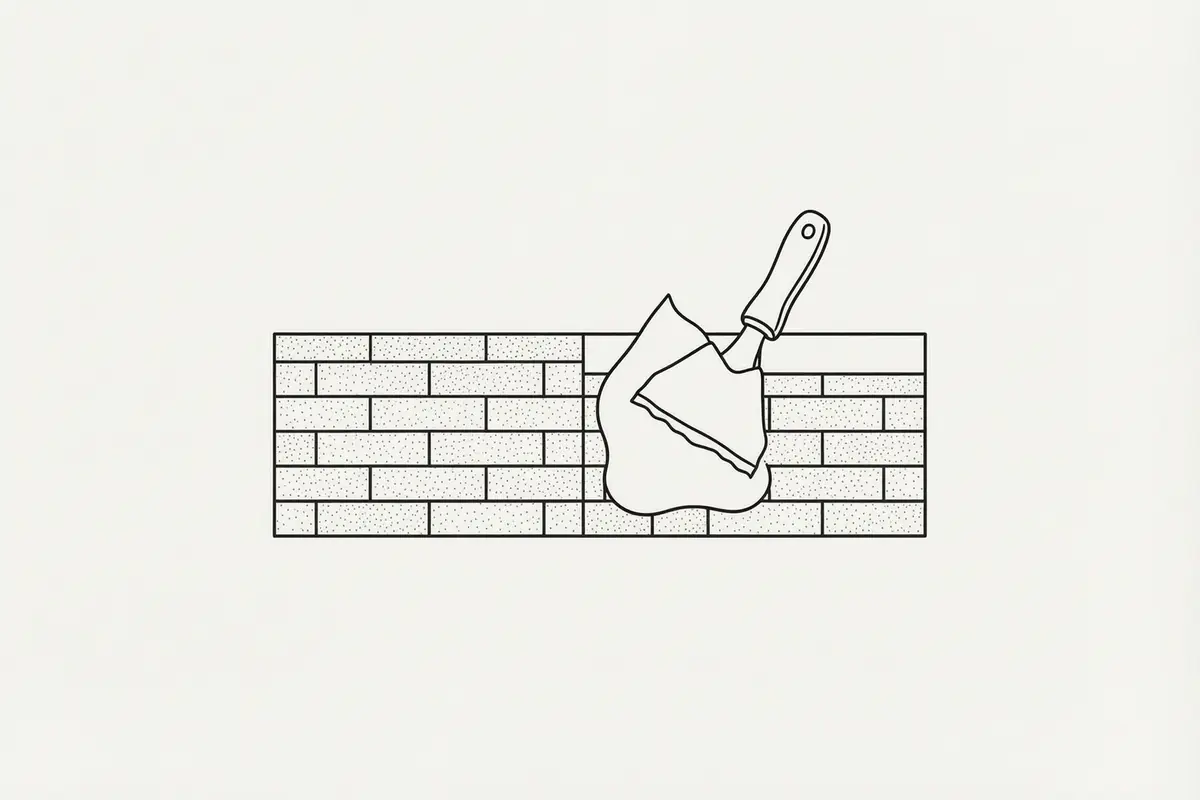
Once the paint has softened, it is lifted with a plastic scraper — never a steel one, which scores the brick — and the residue is washed off with water or a neutraliser as the product directs. A poultice copes with the many thin coats that defeat a solvent wipe, but deep in the pores some pigment often remains, giving the brick a slightly tinted look that only weathering fades.
The order of work on a painted wall
When we strip a painted brick front or interior wall, we work to a fixed sequence. It is slow, and the slowness is the point.
- Test for lead, and sheet off the work area with plastic to contain dust and debris.
- Run a test patch of the chosen stripper on a hidden corner to set the dwell time and confirm it does not mark the brick.
- Apply the poultice or gel in a thick, even layer and cover it with the backing sheet.
- Leave it to dwell for the maker’s stated time, checking the patch rather than the clock.
- Lift the softened paint with a plastic scraper, working section by section so nothing re-hardens.
- Wash the residue off with water or neutraliser, and rinse thoroughly.
- Allow the wall to dry out fully before any repainting or repointing — trapped moisture is what spalls brick later.
Bag the stripped paint and the spent poultice for the council’s hazardous-waste route rather than the general bin, and never tip solvent down a drain.
When the paint should stay
There are three situations where we will tell a customer to leave the paint alone, and we say it plainly because it saves them a costly mistake.
The first is soft brick. If the wall is a period front in soft hand-fired brick, stripping it will almost certainly damage the face, and you will trade a tidy painted front for a scarred, absorbent one. The second is sound paint. If the finish is intact and doing its job, removing it is a solution to a problem you do not have. The third is painted render or a front that has been painted for decades — the brick beneath may be stained, mismatched or patched.
In all three cases the better job is to make good the existing paint: scrape the loose material, prime the bare patches, and recoat. That is ordinary exterior work, and it is where our masonry and render painting service spends most of its time. If the finish is failing rather than simply old, our guide to fixing peeling, flaking and cracking paint covers the make-good in detail.
Conservation areas: a painted front is part of the street
On Surrey’s older streets, a painted front is often not a defect to be corrected but part of the character the conservation area protects. Removing paint from a principal elevation is a change of appearance, and it is exactly the kind of change that can need a check with the council first.
Repainting window and door frames is normally permitted development, but the Planning Portal’s guidance on doors and windows is clear that conservation areas can carry additional restrictions and that you should check with the local planning authority before doing anything significant. Stripping a painted front back to bare brick is more significant than a recoat, so it is worth a call or an email to the planning team first, particularly if the building is listed.
If the painted front is part of how the street has looked for generations, the sympathetic job is to keep it painted and repaint it well, not to strip it. Our period and listed building decorating service works to that principle across Guildford, Godalming, Woking and the surrounding villages.
Frequently asked questions
Can you remove paint from brick without damaging it?
Yes, if you use the right method. A chemical poultice or gel stripper, left to dwell and lifted with a plastic scraper, removes paint while leaving the fired face of the brick intact. The damage people fear comes from blasting and aggressive wire-brushing, which abrade away the hard outer skin and expose the soft core. On soft Victorian brick, even a light grit-blast can spoil the face permanently.
How do you get dried paint off brick?
Dried paint on brick is softened with a gel or poultice stripper, or with steam, then lifted with a plastic scraper. Because brick is porous, the paint grips hard, so a solvent wipe alone rarely works on old, baked-on coats. For a small drip or splash, a dab of stripper or careful wet scraping is usually enough. Always test on a hidden patch first.
Is sandblasting safe for removing paint from brick?
Rarely, and almost never on an older Surrey house. Sandblasting and grit-blasting remove the hard fired skin of the brick along with the paint, leaving a soft, absorbent face that frosts and spalls. It is only ever a last resort on hard, dense engineering brick, and even then it is a job for a specialist.
Does old paint on brick contain lead?
It can. Lead was widely used in paint until the 1960s and not removed from all commonly used paint until the early 1980s, so paint on a pre-1980s house may contain lead in the older coats. Treat it as leaded unless you know otherwise: use a chemical stripper or wet methods, avoid blow lamps, keep heat below 500°C, and wear an FFP3 mask, coveralls and gloves.
Should I repaint brick or leave it bare?
It depends on the brick and the street. Soft period brick is usually better left painted, because stripping it damages the face and exposes a more absorbent wall. Sound paint is best left in place and recoated. Bare brick only makes sense where the brick is hard and in good condition, and on a conservation-area front you should check with the council before changing the appearance at all.