In this article
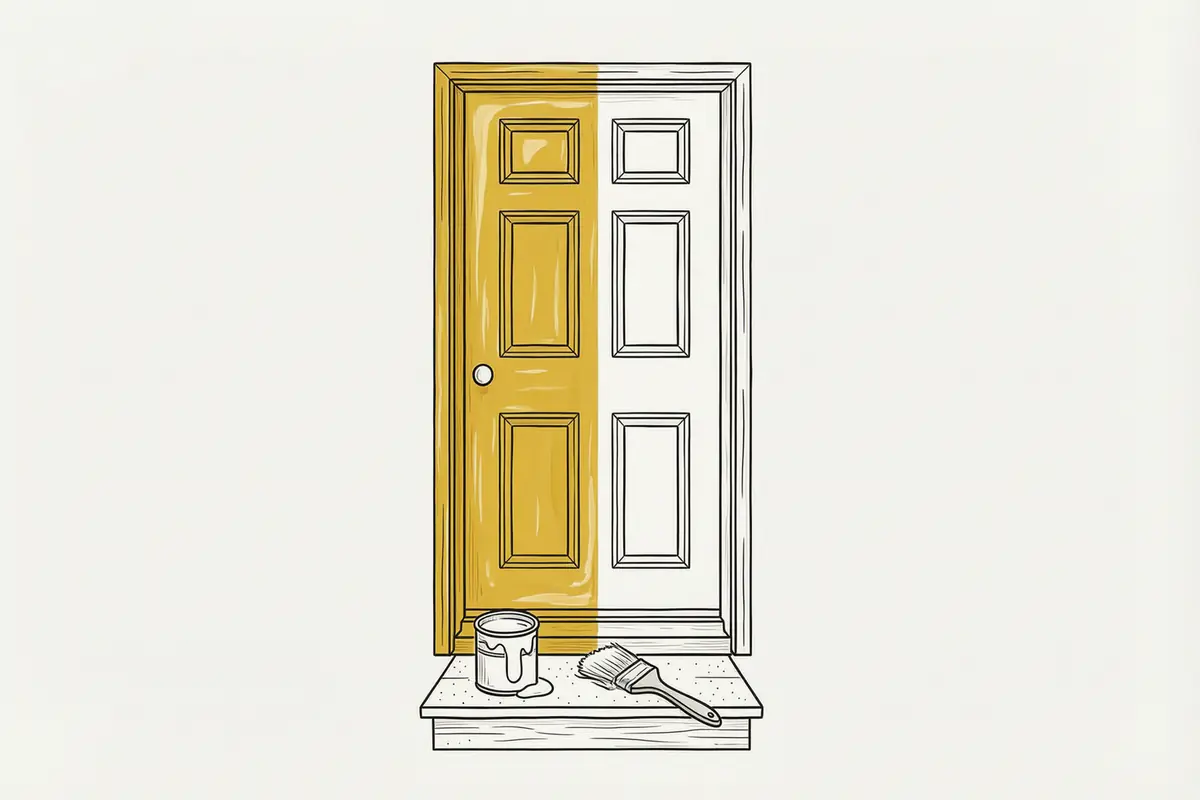
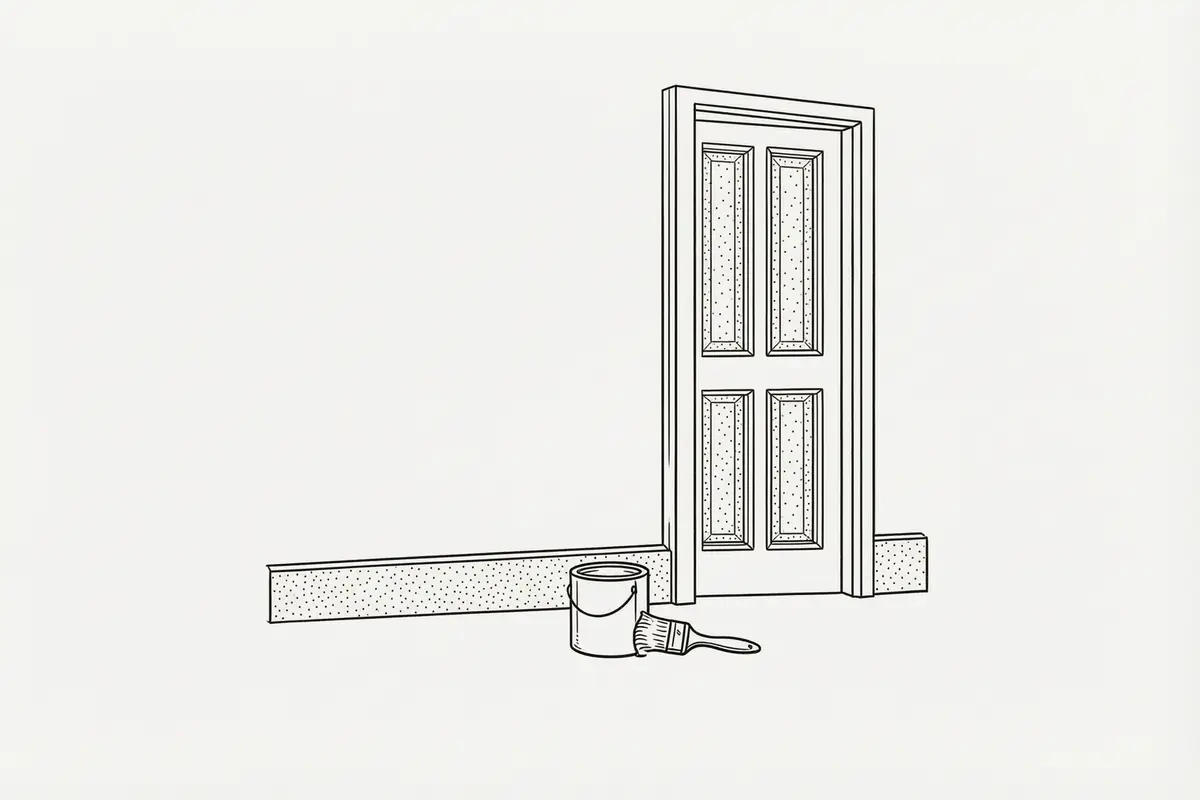
Water-based paint over oil-based is the switch almost every repaint now involves, and the one that goes wrong most often. The new satinwood or gloss goes on beautifully, looks perfect for a fortnight, then lifts away in sheets at the first knock. It is the most common peeling failure on repainted woodwork, and the cause is always the same: the two paints are chemically different, and water-based paint will not bond to a slick oil film on its own.
The plain rule: confirm the old coat is oil-based, wash and key it, put one coat of adhesion primer between the two, then apply two thin water-based topcoats. Skip the primer and the new paint will peel; get the primer right and the switch is routine.
Why water-based paint peels off oil-based
Oil-based paint cures to a hard, smooth, almost glassy film. Its binder is an alkyd resin that cross-links as it dries into a tight, glossy skin, and nothing much wants to stick to that skin — which is precisely what makes it wipe-clean and durable on doors and skirting. Water-based paint dries by a different route: the water evaporates and the acrylic binder particles fuse together, and that film has far less natural bite on a slick surface.
Brush water-based paint straight onto untouched oil gloss and it is essentially sitting on glass. It will chip, scratch and peel, often within weeks. The fix is not a better topcoat but a bridge between the two — a primer designed to grip the oil film and give the water-based coat something sound to hold. Everything else in this guide is about doing that bridge properly.
Confirm the existing coat is oil-based
Before you buy anything, spend two minutes working out what is actually on the woodwork, because it decides whether you need the primer at all.
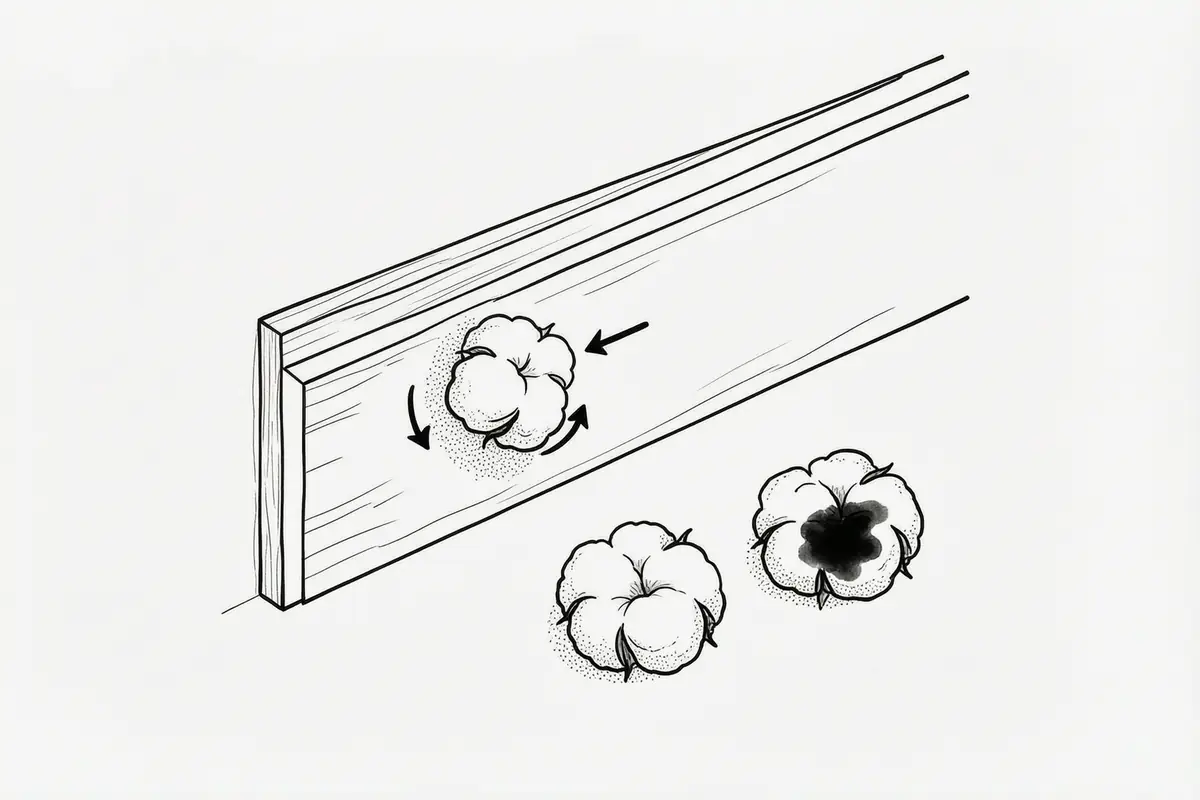
Dampen a cotton wool ball with methylated spirits and rub it firmly on an out-of-the-way patch for about ten seconds. When the old paint is water-based, colour comes away onto the cotton and the surface softens; when it is oil-based, the cloth stays clean and the finish is untouched. Age is a strong second clue: white woodwork that has yellowed to a creamy tone is almost always oil-based, and older trim is often oil-based too, since tighter solvent rules pushed the trade towards water-based products over recent decades. If the test says oil-based, plan on an adhesion primer; if it says water-based, you can key and repaint without one.
The method
These four steps are the whole job, and the order matters. Each is quick, but none can be skipped.
Step 1 — Wash and degrease
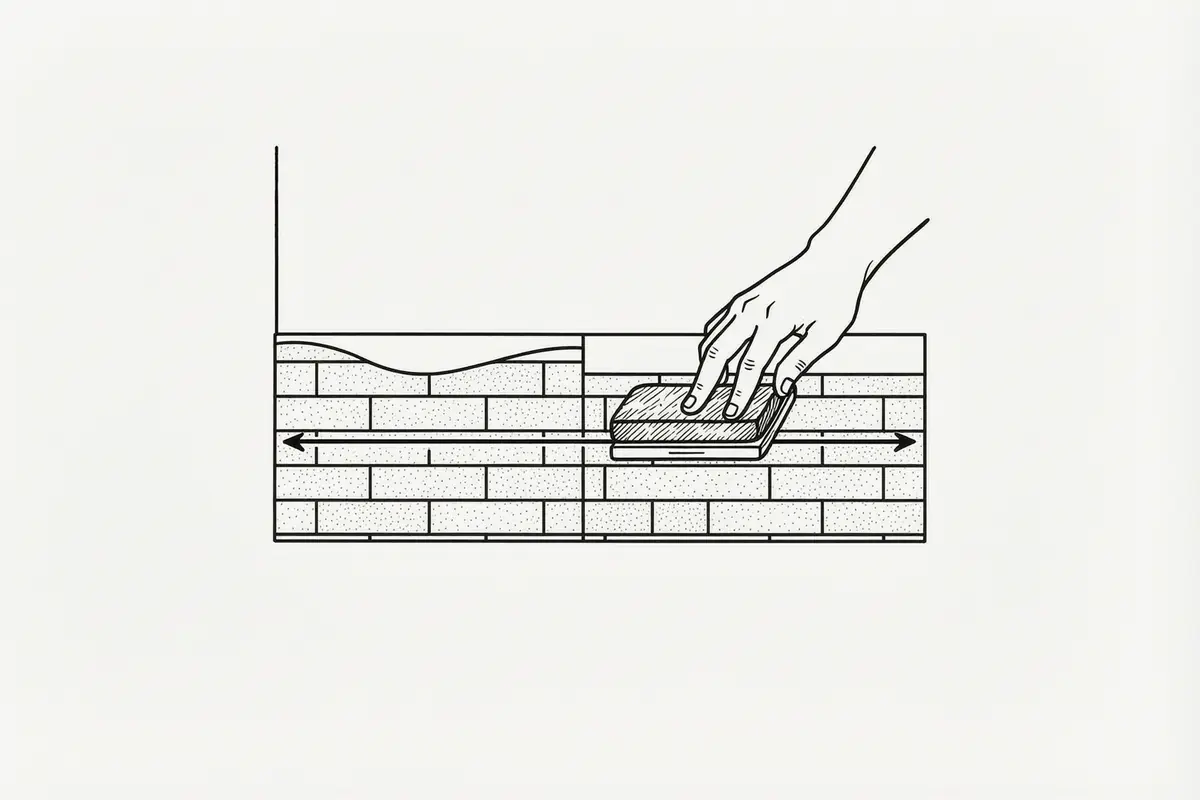
Wash the surface down with sugar soap and warm water, following the dilution on the pack, and rinse with clean water from a second bucket. Woodwork carries an invisible film of hand grease, cooking residue, furniture polish and dust, and no paint or primer will bond to any of it, however well you sand. Pay most attention to the high-touch spots — door edges around handles, the tops of skirting, banister rails. Let everything dry fully before you go further: a couple of hours in a warm room, longer in an unheated hallway in winter. Trapped moisture is a bonding barrier of its own.
Step 2 — Key the surface
Dull the whole oil film with 120-grit paper or a medium sanding sponge until every trace of shine has gone, then follow with 180-grit if the surface feels rough. You are not stripping back to bare wood, only scratching the surface so the primer has a mechanical key; any glossy island you miss is a spot where the paint can lift. Sand with the grain, and stay above 100-grit — anything coarser leaves scratch marks that telegraph through the finish. On long runs of skirting or a full staircase an orbital sander saves hours, but hand-sand the last inch into corners. Wipe the dust off with a tack cloth or a slightly damp cloth before priming.
Step 3 — Prime with an adhesion primer
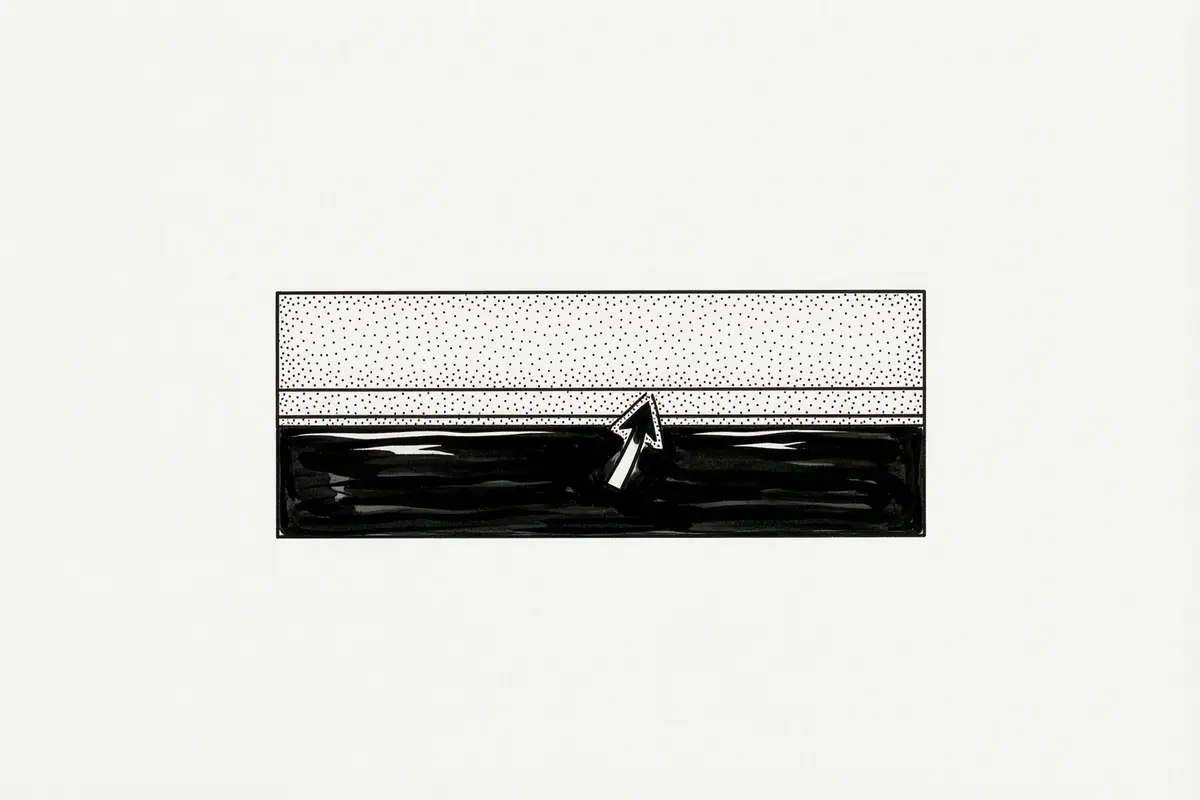
Brush on one even coat of a dedicated adhesion primer over the keyed, clean oil film. This is the step that makes the whole job work: the primer grips the oil surface chemically and gives the water-based topcoat a receptive base. Work it in with a synthetic brush, keep the coat thin and even, and do not be tempted to skip it because the primer looks like just another coat of paint. Let it dry for the time on the tin before topcoating — a water-based adhesion primer is typically touch dry in about thirty minutes and recoatable in an hour, but err on the side of longer in a cold room.
Step 4 — Two water-based topcoats
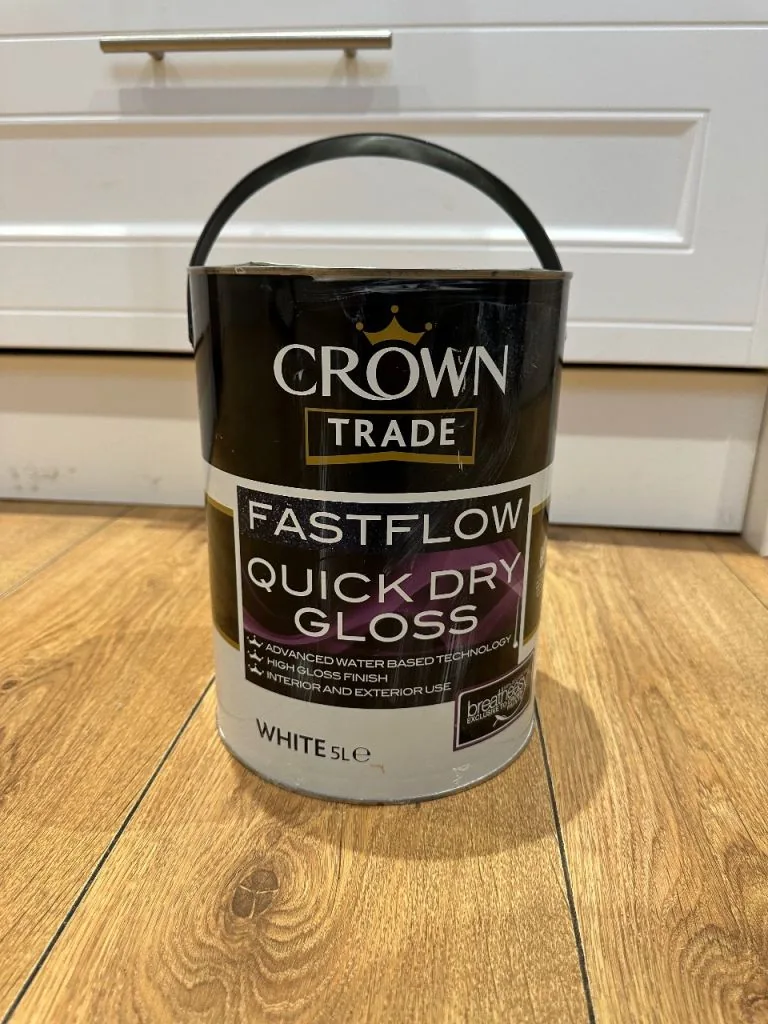
Apply your water-based satinwood or gloss in two thin coats, not one thick one. Thinner coats settle flatter, resist sagging and harden more thoroughly than a single heavy pass. Lay each coat on with a synthetic-bristle brush, working in the direction of the grain and laying off with light, unbroken strokes, then leave it alone — water-based paint tacks within minutes in a warm room and reworking it leaves ridges. Recoat after the time on the tin — six hours for a water-based satinwood — sanding very lightly with fine paper between coats to take off dust nibs. The finish is right when the colour is even and there is no patchiness from the old coat grinning through.
Choosing an adhesion primer
Not all primers do the same job, and the choice comes down to two classes.
- Water-based adhesion primer is the everyday choice. It is low-odour, cleans up with water, and is touch dry in about thirty minutes and recoatable in an hour, covering around 10 square metres per litre. It bonds to glossy surfaces without sanding, though we still key first, and it is the right call for most interior woodwork. Bulls Eye 1-2-3 and Bedec All Prime are the two you will most often see on the shelf in this class.
- Shellac-based primer grips the most difficult surfaces and dries fastest — touch dry in about fifteen minutes and recoatable in forty-five, covering around 12.5 square metres per litre — and it blocks stains as a bonus. The trade-off is strong fumes and a brush that needs methylated spirits to clean. Zinsser B-I-N is the standard here. We reach for it on very slick old gloss, on resinous knots, and where a stain needs sealing at the same time.
For a like-for-like refresh where the old coat is sound and well keyed, a conventional undercoat can be enough, but whenever you are switching from oil to water-based, a dedicated adhesion primer is the step that decides whether the job lasts. Our guide to undercoat versus primer sets out when each is worth the extra coat.
Recoat times: why water-based wins the calendar
The drying figures are where the switch really pays off. Water-based satinwood is recoatable in six hours, so both topcoats go on in a single day. Oil-based gloss needs sixteen to twenty-four hours between coats, which is why an oil-glossed room always adds a day, and why the trade moved away from it as much for the schedule as for the finish.
The catch is that water-based paint dries faster than it forgives. Because it tacks within minutes in a warm room, it wants brisk, confident brushwork and a laid-off finish, where oil-based paint stays workable long enough to forgive a slower hand. If you are used to oil gloss, the first water-based coat will feel rushed; that is normal, and it is the trade-off for getting both coats on before lunch.
Why people switch: the yellowing
The reason most people reach for water-based paint in the first place is that oil-based white has gone yellow. Oil-based paint uses an alkyd resin, and alkyds yellow as they oxidise over time — fastest in rooms with little daylight, which is why a north-facing hallway or the inside of a cupboard door is the first place to show it. Water-based paint does not yellow this way; it stays brilliant white for years.
That is the honest trade. Oil-based gloss still flows out flatter and gives the deepest, most self-levelling sheen, but its whites will warm over time and it is slow and smelly to work with. Water-based satinwood covers around 12 square metres per litre, a little less than a good oil gloss, but it keeps its colour and dries fast enough to recoat the same day. For most interior woodwork, and for any white or pale colour, water-based is the right call; oil-based earns its place only on a special piece where the deepest sheen matters more than staying white.
When to strip back to bare wood instead
The primer-and-recoat method assumes the old oil coat is sound. If it is flaking, cracked, or coming away in places, no primer will save it — the failure is in the old film, not the bond between the two, and the new paint will lift wherever the old paint has let go. In that case scrape and sand back to a firm edge, feather the edges of any bare patches, spot-prime the bare wood, and only then prime and topcoat the whole surface. Our guide to how to paint over gloss covers keying and priming old gloss in more depth, and our post on how to fix peeling, flaking and cracking paint deals with a finish that has already failed.
If the woodwork could pre-date about 1980, the old paint may contain lead, and dry-sanding it to powder is the one thing not to do. Wet-sand with wet-and-dry paper or use a chemical stripper, and if in doubt hand the job to our wooden window painting team. The Health and Safety Executive sets out how to strip leaded paint safely, and this is one of the few places where the safety rule changes what you actually do, so it is worth saying plainly.
Frequently asked questions
Can you paint water-based paint over oil-based paint?
Yes, but never directly. Water-based paint applied straight onto oil-based gloss will peel, often within weeks. Wash and key the surface, apply one coat of adhesion primer, then two thin water-based topcoats. With the primer in between, switching from oil to water-based is routine.
How do you tell if paint is oil-based or water-based?
Rub a cotton wool ball dampened with methylated spirits on an inconspicuous patch for about ten seconds. Colour coming away onto the cloth, or a surface that softens, marks the paint as water-based; a cloth that stays clean and a finish that is untouched marks it as oil-based. White woodwork that has yellowed is almost always oil-based.
Do you need to sand oil-based paint before painting over it?
Yes, lightly. Dull the whole surface with 120-grit paper until no shine remains, because the primer needs a mechanical key as well as a chemical bond. Even under a no-sand bonding primer, a quick scuff with a fine abrasive pad noticeably improves the bond on doors and skirting that take daily knocks.
What is the best primer for water-based paint over oil-based?
A dedicated adhesion primer is the safest choice. Water-based versions are low-odour and recoatable in about an hour; shellac-based versions grip the most difficult surfaces and dry fastest, in around forty-five minutes, though the fumes are stronger. A conventional undercoat can work over sound, well-keyed gloss, but the adhesion primer is the reliable default.
Why does oil-based paint go yellow?
Oil-based paint uses an alkyd resin that yellows as it oxidises over time, fastest in rooms with little daylight. Water-based paint does not yellow this way, which is why it stays brilliant white and why so many repaints switch to it.
How long does water-based paint take to dry over oil-based?
The primer is the layer that matters first: a water-based adhesion primer is touch dry in about thirty minutes and recoatable in an hour. The water-based topcoat is then recoatable in six hours, so both topcoats can go on in a day, against sixteen to twenty-four hours between coats for oil-based gloss.