In this article
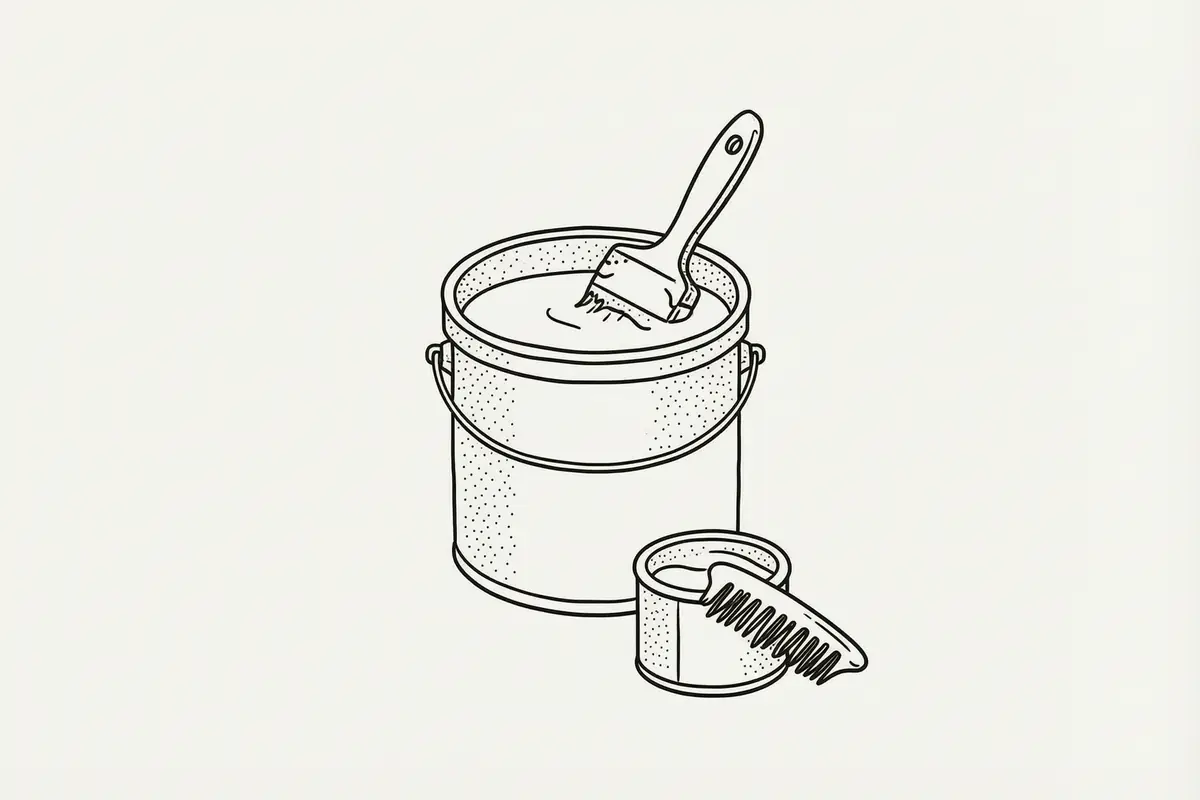
A good brush or roller is not a consumable. Looked after properly, a decent brush will outlast dozens of tins of paint and cut in more cleanly with every job, because the bristles wear into the shape of the work. The reason most people replace their brushes every year is not that the brushes wear out; it is that they are cleaned badly, and the paint sets in the heel where the bristles meet the ferrule.
The plain rule is this. Water-based paint washes out in warm water and a little detergent; oil-based paint needs white spirit or a brush cleaner, worked in two stages. Never pour solvent or paint washings down the drain. In Surrey, community recycling centres take water-based paint only, and solvent-based paint and white spirit go through the hazardous-waste route. Clean the tool the day you use it, and it will still be cutting in cleanly years from now.
Water-based versus oil-based: two different clean-ups
The first step is the same for both, and it is the one people skip. Scrape as much paint as you can back into the tin before you reach for any water or solvent. The less paint that goes down the sink or into the cleaning jar, the less you have to wash out, and the less you have to dispose of afterwards.
The order of work is the same whichever paint you are using:
- Scrape the paint back into the tin, working the bristles against the rim.
- Rinse or soak in the right cleaner — warm water for water-based, white spirit or brush cleaner for oil-based.
- Work the cleaner into the heel, the base of the bristles, not just the tips.
- Rinse again until the water or solvent runs clear.
- Spin the brush out and store it dry, bristles up.
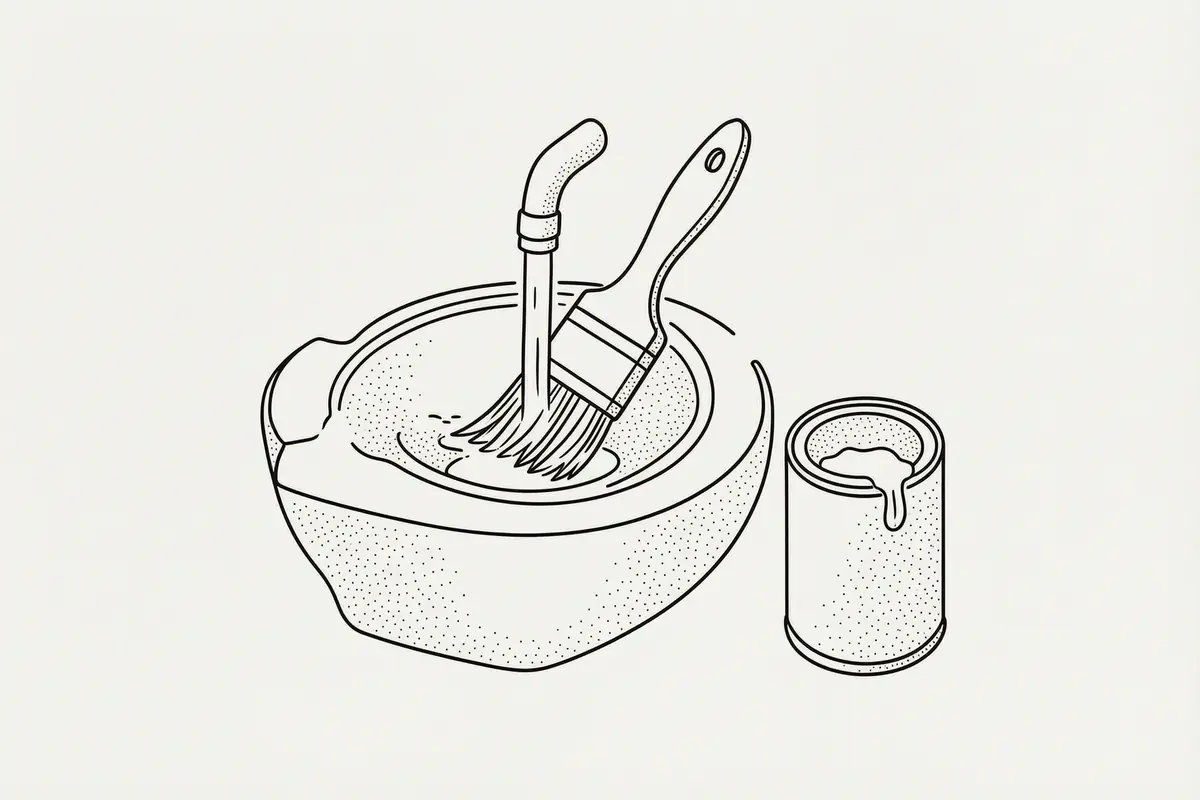
For water-based paint, warm water is all you need. The paint makers’ own advice is to leave the brush to soak in warm water for about two hours, then wipe it down and store it. The trade method is faster and gets the paint out of the heel: rinse under warm running water, pressing the bristles against the bottom of the sink and releasing so the water is drawn in and forced out, then work a little detergent into the bristles. The detergent lifts the paint out of the base of the brush and roughly halves the washing time. Keep going until the water running through the brush is clear, then spin the brush out.
Oil-based paint (the gloss and satinwood in our guide to painting over gloss) will not shift in water. It needs white spirit or a dedicated brush cleaner, and the professional method is a two-stage wash. Decant the solvent into a container about an inch deep, dip the brush and press it down and release repeatedly to work the cleaner into the base of the bristles, then spin it out. Tip the dirty fluid into a second tub, pour fresh cleaner into the first, and run the brush through again. The dirty fluid is not thrown away: kept in a sealable container, the paint settles to the bottom over a few weeks and the clear cleaner on top is poured off and reused.
The end of a day versus the end of a job
There is a difference between stopping for the night and finishing the job, and it changes what you do with the brush.
At the end of a day, when you will be back on the same paint in the morning, you do not need to wash the brush at all. For water-based paint, wrap the loaded brush in a plastic bag or clingfilm so the paint cannot dry, and it will be ready to go the next morning. Do not stand a water-based brush in water overnight; it turns the paint in the heel to sludge. An oil-based brush is the opposite: many decorators keep it in water overnight, because the water forms an airtight seal over the paint and stops it hardening.
Brush combs, spinners and the tools that do the work
Two cheap tools do most of the work that a brush otherwise dies from.
A brush comb is a small metal or plastic comb with teeth that run through the bristles from the ferrule outward. It pulls out the paint that has set in the heel, the part of the brush that a rinse never reaches, and it straightens bristles that have splayed. Run it through a wet brush after the first rinse, and again once the brush is clean, and the bristles dry in line rather than curled.
A spinner is a cage that holds the brush by the handle and spins it fast, flinging the water or solvent out by centrifugal force. It does in seconds what the hand spin-out does more slowly, and it is the difference between a brush that dries soft and one that dries stiff with water trapped in the heel. The same principle applies to roller sleeves, which is why a spinner that takes both is worth having. Neither tool is expensive, and both pay for themselves the first time they save a brush.
Why cheap brushes are false economy
The cheapest brushes are the ones that cost the most, because they do not survive their own cleaning. The trade rule is simple: natural bristle for oil-based paint, a good synthetic for water-based paint, and in both cases a brush with a proper ferrule and flagged tips, because the cheap ones shed. A brush that sheds bristles into the paint as you work, or that loses its shape after the first wash, has to be replaced, and the replacement costs more than the better brush would have in the first place.
A good brush also does the job better while it lasts — it is why the kit we carry on every interior job is a few well-kept brushes rather than a bag of cheap ones. The bristles of a quality brush are flagged at the tips, so they hold more paint and lay it off with fewer marks, and they wear into the shape of the work over time. A decorator’s favourite brush is usually years old and cuts in better than the day it was bought.
Storing a loaded roller overnight
Rollers are more forgiving than brushes, but only if you treat the sleeve right. The practical limits: a loaded roller can sit for about fifteen minutes between coats with no harm, and for a longer wait you seal the sleeve in a plastic bag so the paint stays wet. That is the overnight answer for a roller you will use again in the morning — bag it, squeeze the air out, and it is ready to roll.
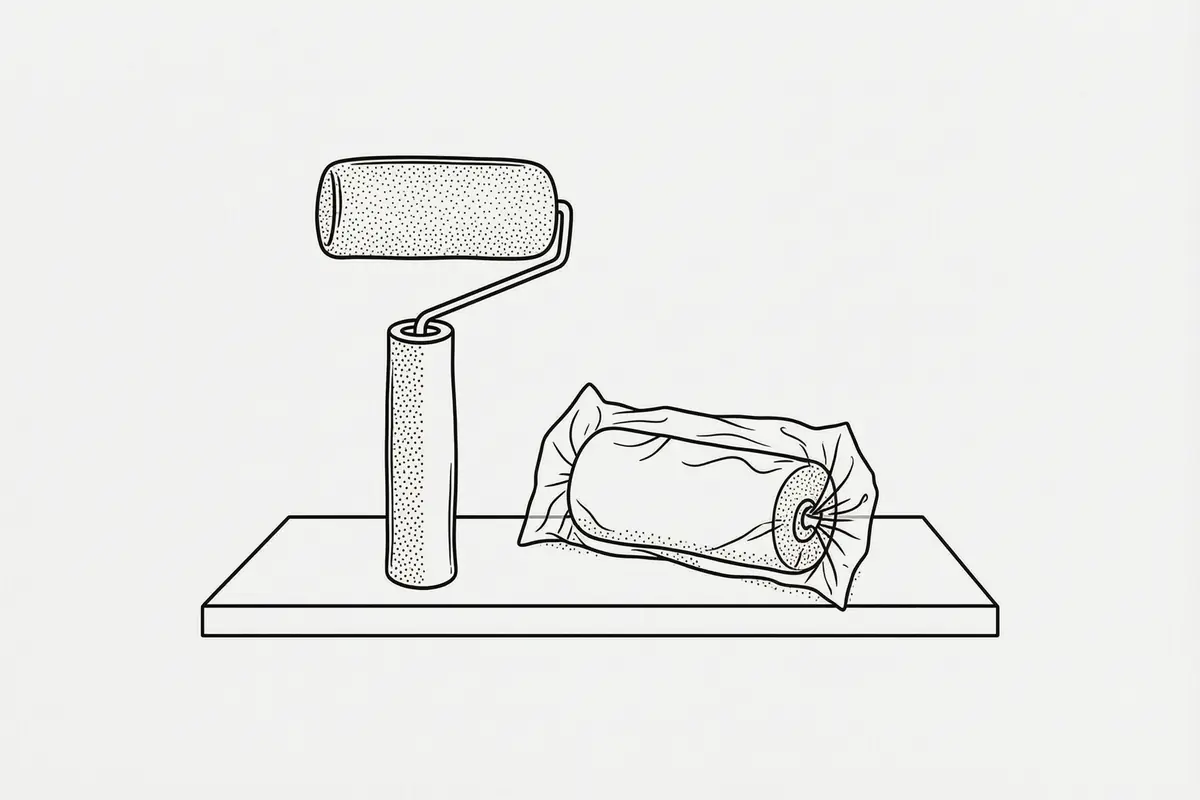
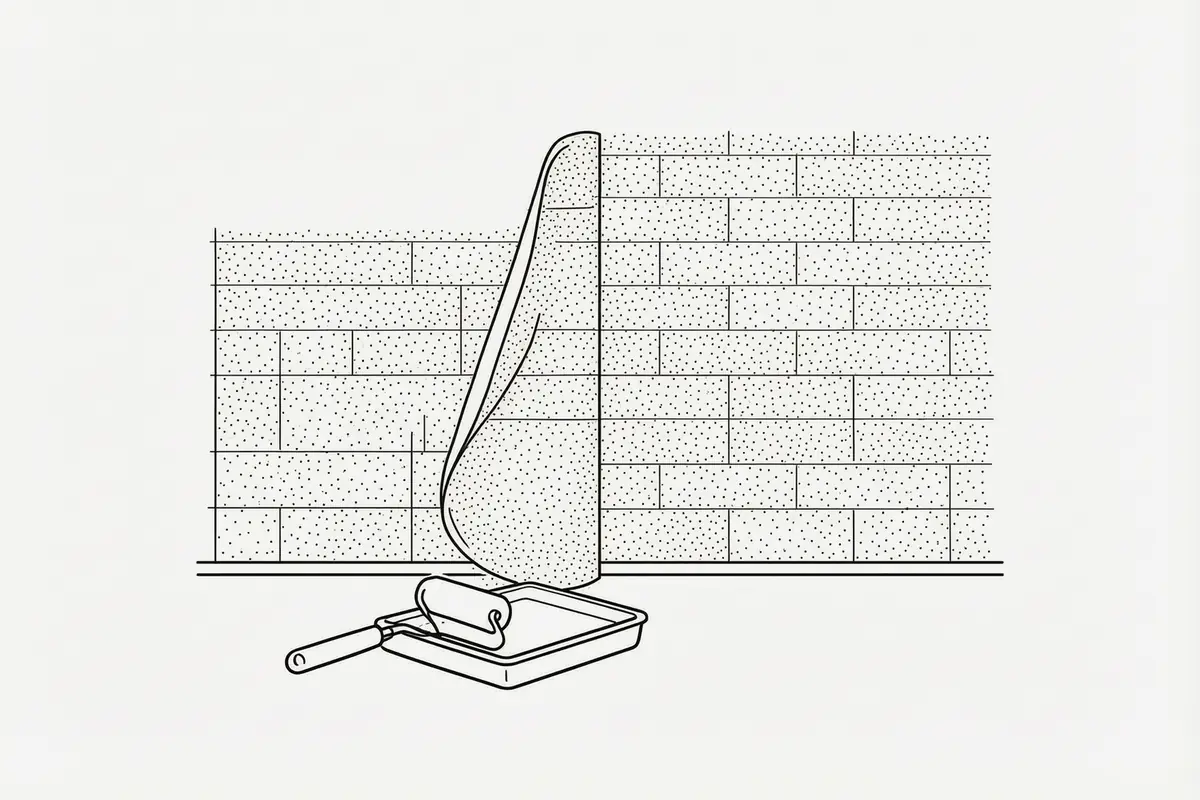
When the job is done, the sleeve gets the full wash. For water-based paint, roll out as much paint as you can onto newspaper, then hold the sleeve under running water and squeeze it until the water runs clear. For oil-based paint, roll the sleeve in white spirit or brush cleaner for fifteen to twenty seconds at a time, scrape it off, and repeat with fresh solvent. The detail that matters most is drying: stand the sleeve on its end, not on the pile, so the water drains out and the pile does not flatten. A sleeve dried flat on its side dries with a crease in it, and that crease shows up as a stripe on the next wall.
Where the dirty solvent goes
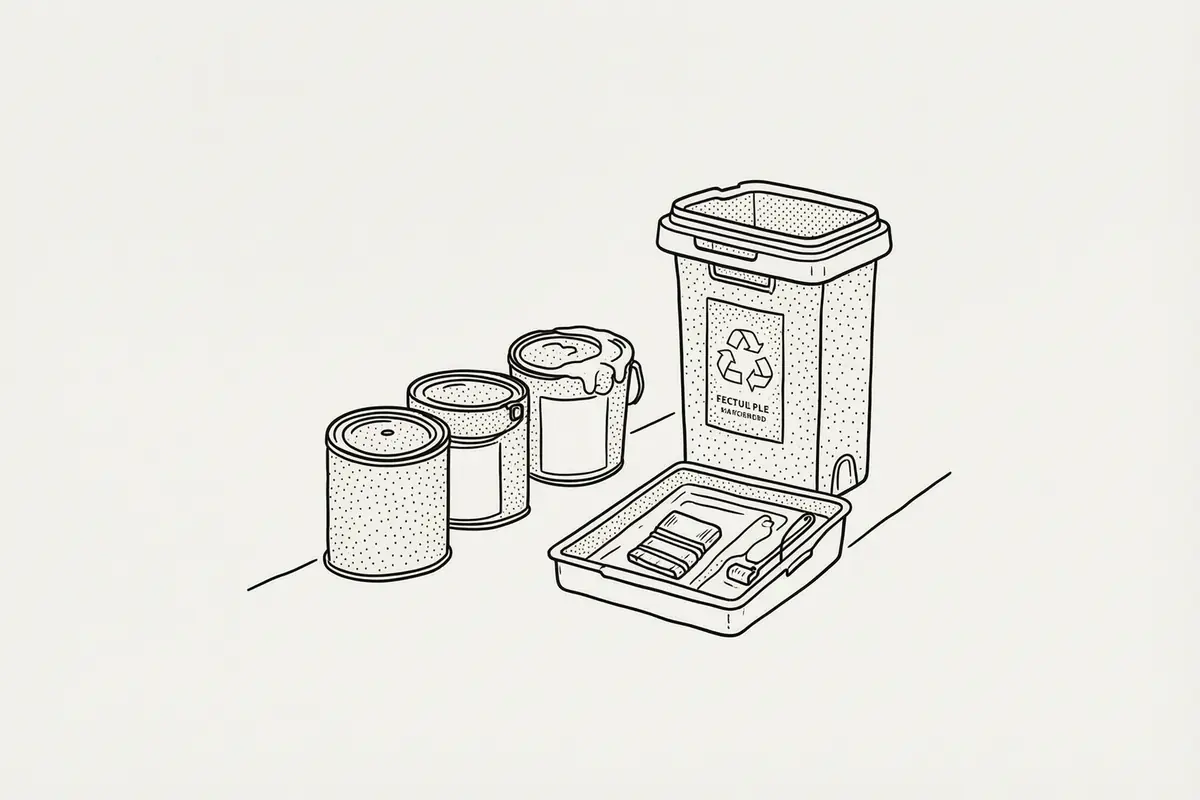
Not down the sink. Cover the jar, leave it a day, pour the clear spirit back into its bottle to reuse and scrape the settled paint into the tin. Emulsion washings can settle the same way — pour off the clearer water, bin the solids. Leftover tins: Surrey’s community recycling centres take water-based paint; white spirit, brush cleaner and solvent paint go through the council’s household-chemicals collection instead.
Frequently asked questions
Can I wash paint brushes in the sink?
Water-based paint, yes — warm water and a little detergent, with the paint scraped back into the tin first. Oil-based paint, no: it needs white spirit or brush cleaner, and that solvent must never go down the sink. The makers’ advice is to leave the solvent to settle for twenty-four hours, then pour the clear cleaner back into its bottle and return the settled paint to the tin.
How do you clean a brush that has gone hard?
If the paint is water-based, soak the brush overnight in a diluted brush cleaner such as Virosol, which dissolves dried water-based paint, then wash and condition it as normal. If the paint is oil-based, soak it in white spirit or brush cleaner. A brush that has set solid in the heel may never come back fully, which is why cleaning the day you use it matters.
How long can I leave a roller before cleaning it?
About fifteen minutes between coats is fine, and for a longer wait you seal the sleeve in a plastic bag so the paint stays wet. Once the paint has dried, a roller is hard to save: hardened paint can be soaked for an hour or two only if it is not fully dry, and a fully dried sleeve is usually better replaced than rescued.
Do I need different brushes for water-based and oil-based paint?
Yes. Natural bristle suits oil-based paint; a good synthetic is the standard for water-based paints, which make natural bristle go limp. Keep the two separate, because a brush used for oil-based paint will not wash clean in water and will contaminate a water-based job.
Where do I dispose of white spirit in Surrey?
Not down the drain: settle it, reuse the clear spirit, and take the dregs and any solvent paint to the council’s household-chemicals collection; the recycling centres take water-based paint only.
Why do my brushes keep going stiff?
Almost always because paint is left in the heel, the part of the brush where the bristles meet the ferrule, and a rinse never reaches it. Work the cleaner into the base of the bristles, run a brush comb through from the ferrule outward, and spin the brush dry. Stored upright and dry, a properly cleaned brush stays soft for years.